Common Causes of Roof Damage

Your roof is the first line of defense against the elements, providing protection and shelter for your home. However, over time, various factors cause damage to your roof, potentially leading to costly repairs or even premature replacement. This blog post will explore the common causes of roof damage.


Hail

Denver and the greater Front Range are in an area often referred to as "Hail Alley." Colorado experiences a significant amount of hail due to its unique geographical features and weather patterns. The state's high elevation, proximity to the Rocky Mountains, and a combination of warm air from the plains and cold air from the mountains create the ideal conditions for thunderstorms to form and produce hail, which can be extremely damaging to roofs and other exterior components of a home.


When hail strikes a roof, it can cause damage by dislodging or cracking shingles, which can lead to leaks and compromised protection against the elements. The impact of hailstones can weaken the integrity of the roof's surface, resulting in dents, dings, or even punctures in certain roofing materials like asphalt shingles or metal panels. Hail can also damage the protective granules on asphalt shingles, causing them to become loose or wear off, potentially shortening the lifespan of the roof. In severe cases, large or persistent hailstorms can cause significant damage, requiring a complete roof replacement to ensure the safety and functionality of the home.


Lack of Maintenance

Failing to conduct routine maintenance and timely repairs leads to more severe issues down the line. What may start as minor problems, such as damaged flashing or deteriorating sealant around vents and chimneys, can quickly escalate into larger, costlier complications if left unattended. The key to avoiding this is regular roof inspections and promptly addressing any identified issues.


By being cautious and taking care of small problems as soon as you notice them, you can keep them from becoming big problems that require a lot of work or even a new roof.


Wind and Storms

Wind and storms pose a significant threat to roofs. Roofs can suffer extensive damage during severe weather events like heavy rain, snowstorms, and high winds. Powerful gusts of wind can lift and dislodge shingles, leaving underlying layers vulnerable and potentially tearing off roof sections entirely. Additionally, falling branches and debris during storms can cause significant harm.


Regular inspections after storms are crucial, especially if you reside in an area prone to severe weather. These inspections allow for promptly identifying and quickly resolving storm-related roof damage. You will prevent further deterioration and potential leaks.


Improper Installation

Improper installation of your roof can significantly impact its longevity and performance. When the installation is wrong, it leads to several problems, such as shingles that don’t line up right, flashing that needs to be stronger, insufficient air, and holes that need proper sealing. Over time, these problems weaken the roof, leading to leaks, water damage, and early wear and tear.


Hiring a reputable roofing contractor with experience and expertise is crucial to avoid such complications. They will know the correct techniques for installation, reducing the risk of potential issues. Proper installation is vital in safeguarding your home, so pay attention to its importance.


Aging Shingles

Aging shingles pose a significant risk to the structural integrity of your roof. As time passes, harsh weather conditions and the sun's UV rays expose shingles, which results in their gradual deterioration. This aging process causes shingles to become brittle, crack, curl, or lose protective granules. Damaged shingles are highly vulnerable to leaks, allowing water to seep into your home and cause extensive damage. 


To prevent further harm, regularly inspect your roof to identify any aging or damaged shingles. Replacing these shingles on time is essential to maintain the roof's condition and prevent costly repairs.


Trees and Vegetation

Trees and vegetation around your home can make it look beautiful but also threaten your roof. Branches that hang over your roof can scratch or break your shingles, causing damage. Falling leaves, twigs, and needles can collect on your roof and clog up gutters and valleys, making it difficult for water to drain properly. Poor drainage can lead to water pooling on your roof, causing leaks.


Trimming trees and removing vegetation near your roof is essential to prevent these issues. This will help reduce the risk of damage to your roof and ensure that water can flow off your roof easily, preventing potential leaks and water damage.


At Formula Roofing & Remodeling, we understand the importance of a sturdy and reliable roof. If you need assistance with roof inspections, repairs, or installations, our experienced professionals are here to help. Contact us today to schedule a consultation or request a quote if you live in the Denver metro area.

Removed triple glazed window glass unit leaning near frame after replacement in apartment.
October 28, 2026
Triple-pane windows cost more. Are they worth it in Colorado's climate? Here's an honest comparison of performance, cost, and payback at altitude.
Roof Replacement in CO
October 28, 2026
Getting your Colorado roof replaced? Here's the full timeline — from permit to final walkthrough — and what you need to do to prepare your home and family.
FORTIFIED roofing in CO
October 28, 2026
FORTIFIED certification is the highest roofing standard in the US. Here's what it means for Colorado homeowners, who needs it, and whether the cost is justified.
GAF Certification
October 9, 2026
GAF Master Elite is rare. GAF 3-Star President's Club is rarer still. Here's the difference between the two — and why it matters when choosing a roofer in Colorado.
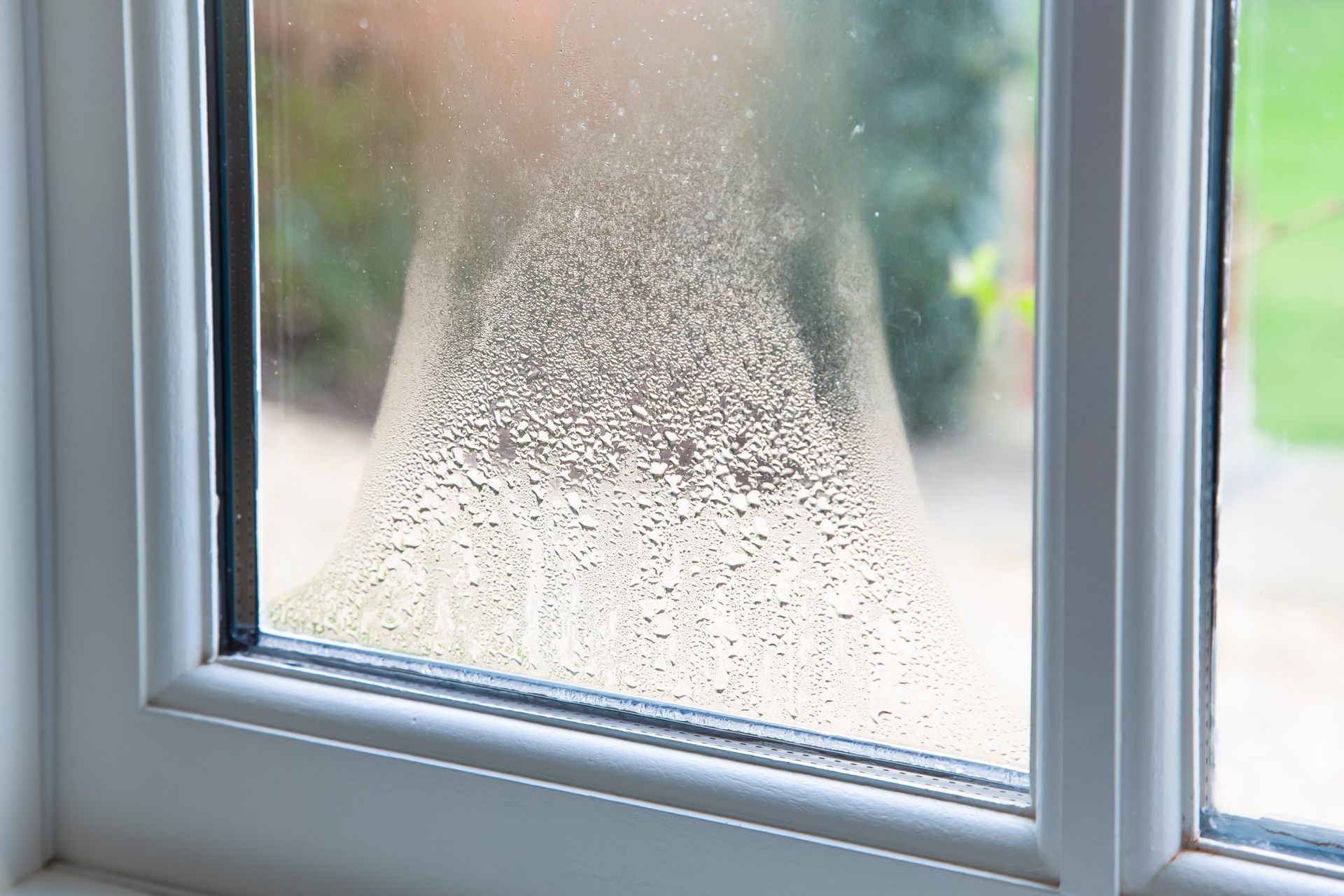
failed window glazing
October 9, 2026
Fogging, drafts, sticky frames, rising energy bills — these are the signs your Colorado windows are failing. How to read each symptom and what to do next.
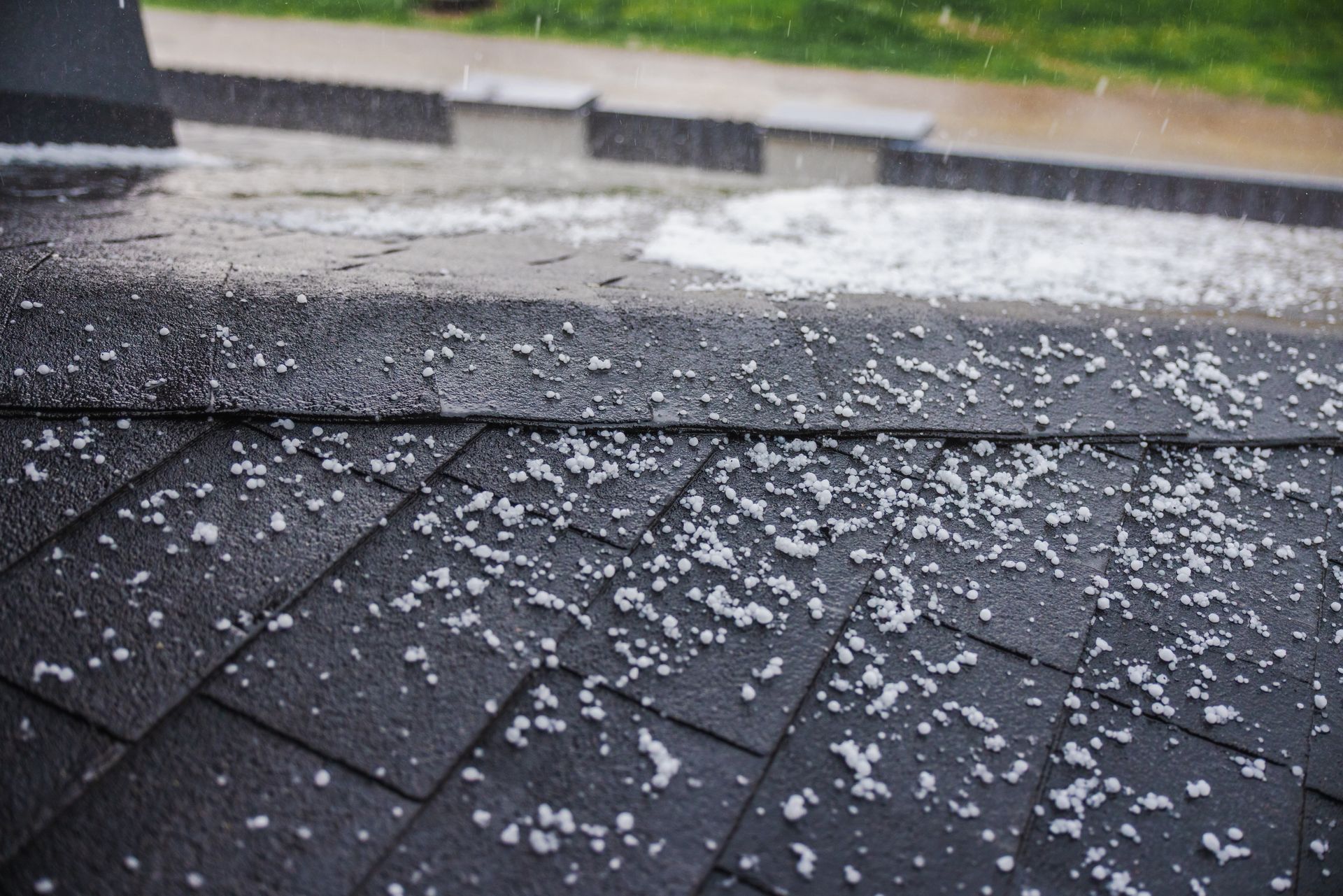
Small hailstones falling and covering a dark shingled roof during a rainstorm.
October 9, 2026
Hail damaged your Colorado roof? Here's exactly how to document damage, work with your adjuster, and file a successful insurance claim in 2026.
Exterior painting in Colorado
October 9, 2026
Colorado's UV, altitude, and temperature swings are unusually hard on exterior paint. Here's how long you can realistically expect a paint job to last — and what extends it.
August 27, 2026
Window replacement is rarely top of mind until something goes obviously wrong, a crack in the glass, a window that won't close properly, or a heating bill that makes you wince. But the signs your Aurora home needs new windows often appear long before it reaches that point and catching them before winter arrives gives you the best timing for installation and the biggest energy savings going into the cold months.
Exterior House Painting Denver CO
August 5, 2026
How much does exterior house painting cost in Denver in 2026? Average ranges, what drives price, and how to get an accurate estimate. Local painting company since 1981.
July 29, 2026
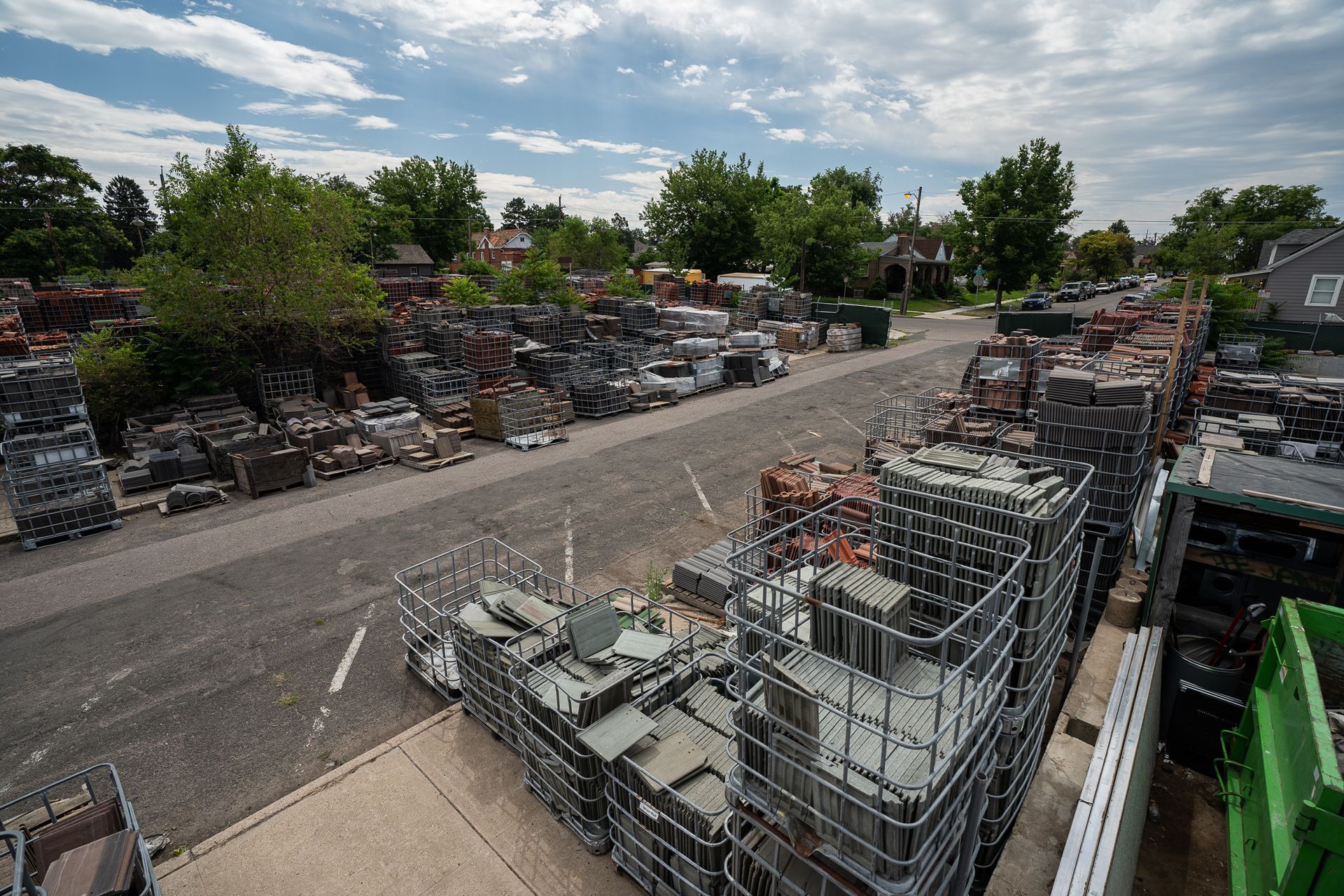
Colorado homeowners and contractors are increasingly looking for responsible ways to handle roofing materials at the end of their service life. Denver is now introducing new requirements that will make recycling and reuse part of the permitting process for many construction and demolition projects. Beginning September 1, 2026, the City and County of Denver will require many qualifying projects to divert at least 50% of construction and demolition debris by weight and recycle or reuse at least three covered material categories. These rules apply only within the City and County of Denver. What the New Denver Rules Mean for Roofing Projects For qualifying roofing projects, contractors may need to submit a waste-diversion plan before the permit is issued. The plan must estimate the total debris weight, identify materials intended for recycling or reuse, list the destination and transportation method, and estimate the project’s diversion rate. After final inspection, the contractor generally has 60 days to provide supporting documentation such as weight tickets, donation receipts, photographs, or written records showing where reusable materials were taken. The rules do not require every roofing material to be recycled, and they do not prohibit landfill disposal. However, material sent to a landfill counts against the required diversion percentage. Contractors may apply for modified requirements when full compliance is impractical. What About Asphalt Shingles? Asphalt shingles remain one of the most difficult roofing products to recycle in Colorado because the state lacks a convenient, widespread processing network. The Denver rules also do not specifically identify asphalt roofing shingles as a covered material. In most cases, removed asphalt shingles will continue to be disposed of unless a recycler specifically agrees to accept them. Clay and Concrete Roofing Tile Can Often Be Reused Clay and concrete roofing tiles are different from many other roofing products because intact tiles can retain value after removal. Usable tiles may be sorted, stored, and reused for repairs, restoration work, additions, or matching discontinued profiles and colors. Formula Roofing & Remodeling, doing business as Custom Tile Roofing, accepts used clay and concrete roofing tiles in many circumstances. Homeowners and contractors who need a facility for surplus or removed tile should contact us before disposal so we can review the tile type, profile, quantity, condition, and project location. Assistance for Contractors For contractors with larger quantities of salvageable clay or concrete tile, we can often provide large metal collection crates, coordinate placement at the project, and arrange transportation off-site at no charge. Availability depends on the material, quantity, condition, project location, site access, timing, and desirability. Contractors should provide photographs, the project address, estimated quantity, manufacturer or profile if known, and the anticipated tear-off date. A Better Option for Homeowners Replacing a Tile Roof If you are a homeowner considering replacement of a clay or concrete tile roof, Formula Roofing can manage the complete project, including removal of the existing roof and installation of the new roofing product you select. When the existing tile has salvage value, Formula may offer project-specific credits or discounts based on the type, condition, quantity, rarity, and demand for the material. Hiring Formula allows the removal, salvage evaluation, transportation, and new roof installation to be coordinated as one project. This can reduce unnecessary disposal while giving the homeowner access to experienced clay and concrete tile roofing specialists and a wide range of replacement options. Being Green Has Always Been Part of Our Business Philosophy Long before Denver adopted formal construction-waste diversion rules, salvaging and reusing tile was part of the way Formula Roofing and Custom Tile Roofing operated. Preserving discontinued and hard-to-find roofing tile keeps usable material out of landfills and helps property owners complete accurate repairs and restorations. The new Denver requirements reinforce a practice we have supported for years: roofing materials should not automatically be treated as waste when they still have practical value. Contact Formula Roofing / Custom Tile Roofing Homeowners and contractors with used clay or concrete roofing tile should contact us before removing or disposing of the material. We can help determine whether the tile may be accepted, whether collection crates and transportation are available, and whether salvage credits or project discounts may apply.  Call 303-600-8696 or email info@formularoofing.com / customtileroofing@gmail.com for details. Acceptance is not guaranteed and is subject to advance review of the tile, quantity, condition, project location, access, timing, and current storage needs. Denver permitting and waste-diversion requirements may vary by project.