Colorado Fortified Roofing — What It Means and Who Actually Needs It
If you've been looking into roofing options in Colorado, you may have come across the term FORTIFIED. It's not a marketing claim — it's a third-party certification program, and it represents the highest roofing construction standard available to residential homeowners in the United States. Whether it's the right choice for your home depends on your situation, your location, and what you're trying to protect against.
What FORTIFIED Actually Is
FORTIFIED is a voluntary construction certification program developed by the Insurance Institute for Business & Home Safety (IBHS) — the same independent research organization that conducts vehicle crash testing for insurance purposes. It was originally developed for hurricane-prone coastal markets but has expanded significantly to address hail and wind damage in high-risk inland markets including Colorado.
A FORTIFIED roof is built to a specific construction standard — stronger sheathing attachment, enhanced sealing at roof deck joints, upgraded flashing and edge metal, and impact-resistant shingles at minimum — that goes beyond standard Colorado building code requirements. The system is inspected and certified by a FORTIFIED-trained evaluator, not the contractor. That third-party inspection is what makes the certification meaningful.
For full details on the system and how Formula Roofing and Remodeling installs it, visit our Colorado Fortified Roofing page.
The Colorado Case for FORTIFIED
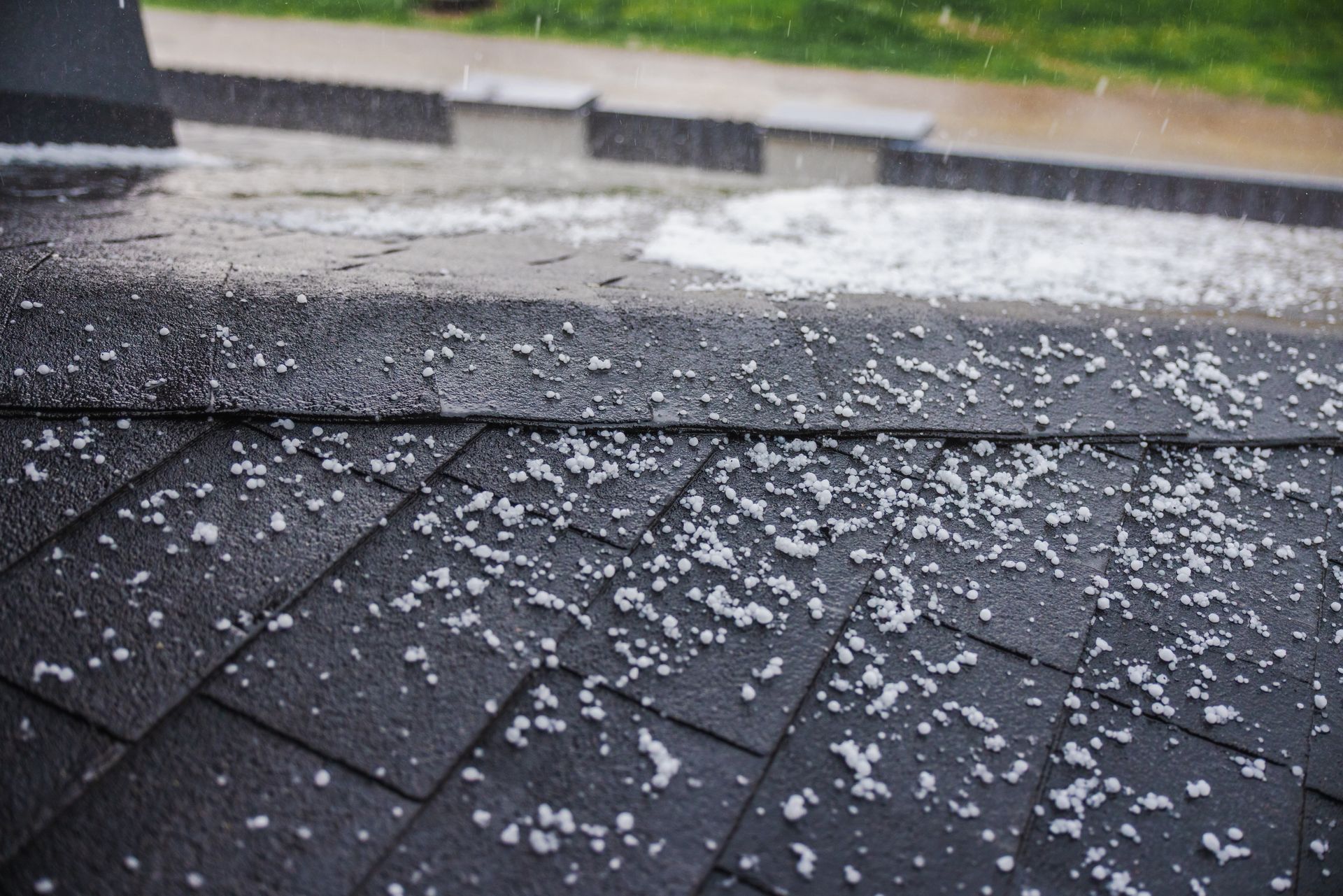
Colorado sits in one of the most hail-prone regions in the United States. The Denver metro area, the Front Range, and communities from Fort Collins to Pueblo experience frequent large-hail events that cause more insured roofing losses per year than most coastal hurricanes. Standard asphalt shingles installed to building code will meet minimum requirements — they won't necessarily hold up to a 3-inch hailstone at 70 miles per hour.
FORTIFIED roofs are constructed to resist the specific damage patterns most commonly seen in Colorado hail events: deck uplift, shingle blow-off, water infiltration at the eaves and ridge, and impact cracking. A FORTIFIED roof that survives a hail event intact means no claim, no deductible, and no disruption — which compounds into meaningful savings over the life of the roof.
The Insurance Savings Angle
For many Colorado homeowners, the FORTIFIED program's most tangible benefit is insurance premium reduction. Several major carriers active in Colorado offer meaningful discounts for FORTIFIED certified roofs — in some cases 20 to 30 percent on the dwelling coverage portion of the homeowners policy.
Whether the premium discount justifies the cost premium over a standard Class 4 shingle installation depends on your specific policy, carrier, and location. A homeowner paying $3,000 per year in homeowners’ insurance who receives a 25 percent discount saves $750 annually — meaning a $3,000 cost premium on the FORTIFIED installation pays for itself in four years. Do the math with your carrier before your next roof replacement. Many Colorado homeowners find the numbers work.
Who Benefits Most From FORTIFIED in Colorado
FORTIFIED roofing makes the most practical sense for:
- Homeowners in high-hail-frequency areas. If you've filed a hail claim in the last five years, or your neighborhood experiences significant hail damage annually, the insurance and durability case for FORTIFIED is strongest.
- Homeowners with high-value properties. A 5,000 square foot home has a proportionally larger roofing surface and higher replacement cost. The premium for FORTIFIED installation is a smaller percentage of total project cost at larger scales.
- Homeowners planning to stay long-term. FORTIFIED roofs are rated for 20 to 30 years when properly maintained. The payback calculation assumes you're there to collect the insurance savings. If you're planning to sell in two years, the equation is different.
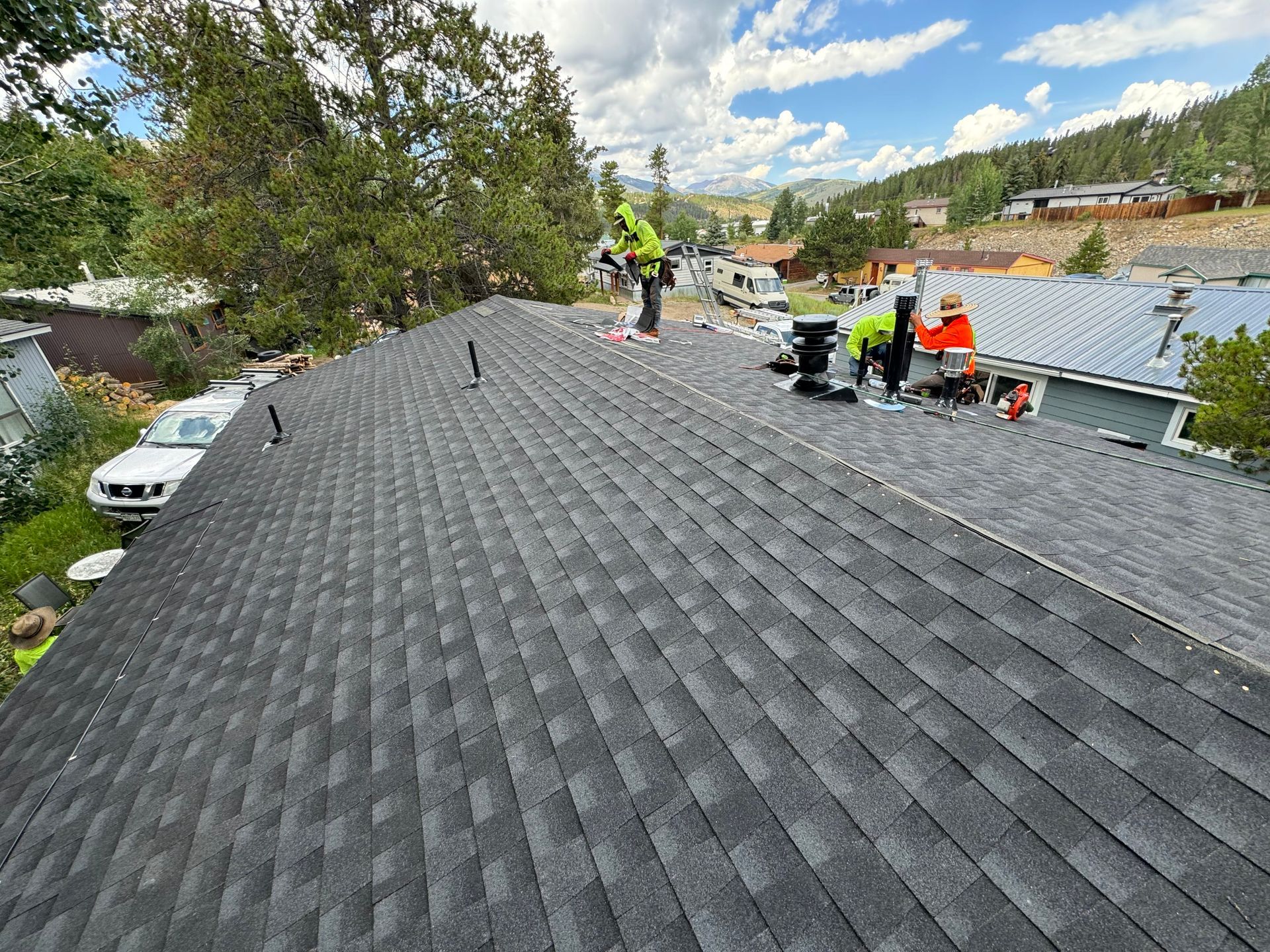
- Mountain communities. Summit County, Eagle County, and the I-70 mountain corridor face a combination of hail, heavy snow loads, and high wind that makes enhanced roofing construction particularly relevant. FORTIFIED standards address all three failure modes.
Conversely, if you're in a lower-risk area, on a tight budget, or planning a near-term sale, Class 4 impact-resistant shingles provide most of the hail resistance benefit at a lower cost — without the third-party inspection requirement.
Is Your Home a Candidate for FORTIFIED?
Formula Roofing & Remodeling is certified to install and help homeowners obtain FORTIFIED certification across Colorado. If you're replacing your roof and want to understand whether FORTIFIED makes financial sense for your specific situation, we can walk through the cost comparison and insurance savings estimate during your free consultation. Visit our Colorado Fortified Roofing page or our roofing services page, or call (303) 600-8696.