Double-Pane vs Triple-Pane Windows — Which Is Worth It in Colorado?
When replacing windows in Colorado, most homeowners face a choice between double-pane and triple-pane units. The contractor says triple-pane is better. The price difference makes you pause. You want to know if the upgrade is actually worth paying for in your specific situation — or whether it's a premium that sounds good but doesn't pay back.
The answer depends on where you live in Colorado, which direction your windows face, and how long you plan to stay in the home. Here's how the two compare honestly.
What the Extra Pane Actually Does
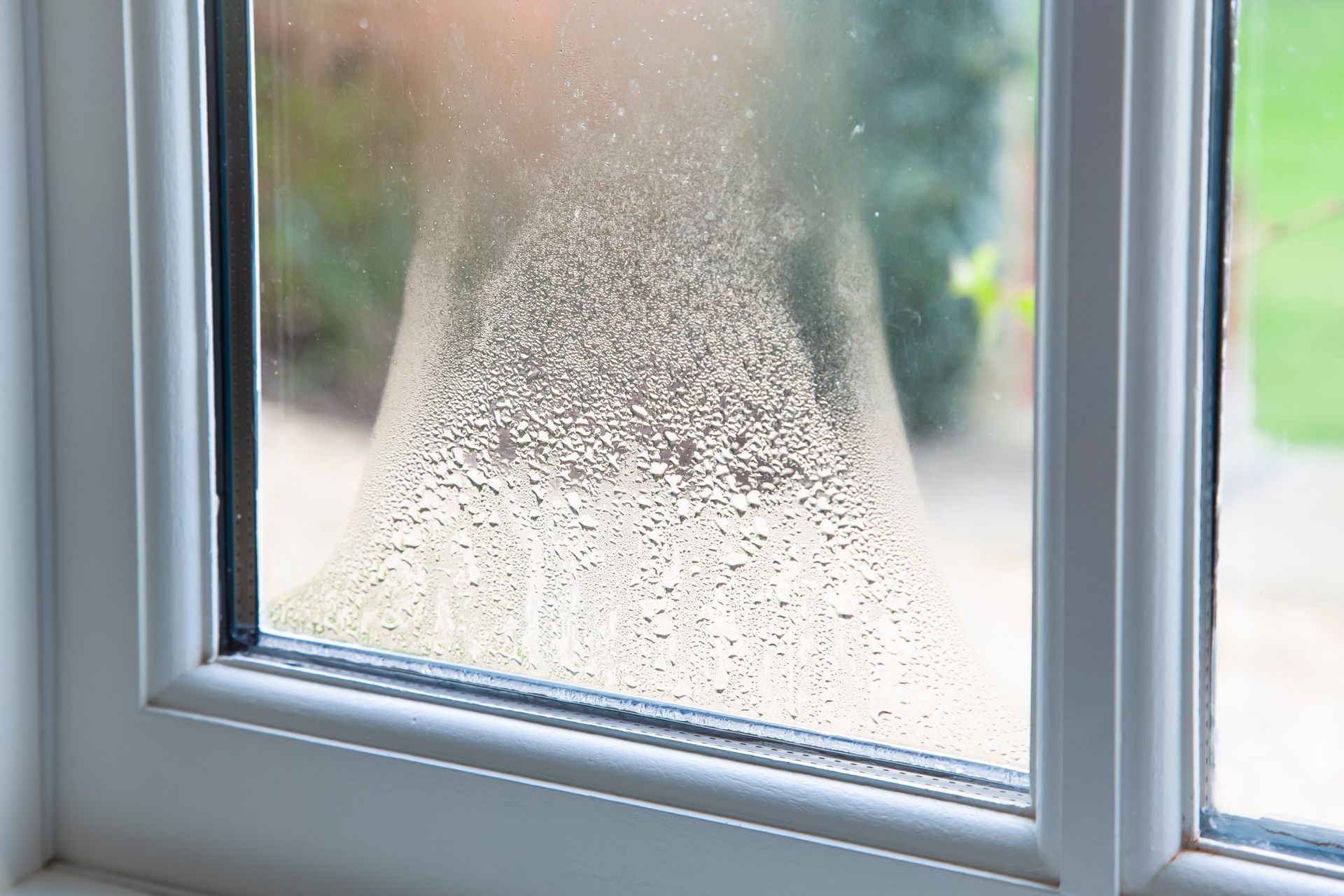
A double-pane window has two layers of glass with a sealed space between them filled with argon or krypton gas. This space is a dramatically better insulator than a single pane — it's the primary reason modern windows perform so much better than older units.
A triple-pane window adds a third layer of glass and a second sealed gas-filled space. This additional layer reduces heat transfer further, lowers the U-factor (the measure of heat loss through the window), and adds mass that also reduces sound transmission.
The question isn't whether triple-pane is better — it is, measurably. The question is whether the improvement justifies the cost premium, which is typically 20 to 40 percent over equivalent double-pane units.
Where Colorado's Climate Changes the Calculation
Colorado presents a more complex calculation than most states because of three factors that pull in different directions:
- Altitude and UV intensity. At Denver's 5,280 feet and Boulder's 5,430 feet, UV radiation is roughly 25% more intense than at sea level. UV accelerates seal degradation in both double and triple-pane units — meaning seal quality and Low-E coating performance matter more than the number of panes for long-term durability.
- Cold winters drive heating costs. Colorado's winters are genuinely cold. The Front Range regularly sees overnight temperatures below 0°F. Triple-pane windows perform meaningfully better in sustained cold — the difference in U-factor between double and triple-pane translates to real heating bill savings when outdoor temperatures are consistently extreme.
- Significant solar gain in summer. Colorado gets more sunny days than almost any other state. South- and west-facing windows admit substantial solar heat gain in summer. The right Solar Heat Gain Coefficient (SHGC) rating on a double-pane window often outperforms a triple-pane unit with the wrong SHGC for reducing summer cooling costs. Spec matters more than pane count here.
The Honest Performance Difference
In real-world Colorado conditions, a well-specified double-pane window with Low-E coating and argon fill performs very well. The performance gap between double and triple-pane is most pronounced in:
- Rooms with large north-facing windows that receive no direct solar gain and face prevailing cold winds
- Mountain communities above 7,000 feet where winter temperatures are more sustained and severe than the Front Range
- Homes where noise reduction is a priority — triple-pane adds meaningful acoustic performance beyond the thermal benefit
- Homes where the homeowner plans to stay 15+ years, allowing the energy savings to compound over the longer payback period
For most Front Range homes — Denver, Aurora, and Boulder — a correctly specified double-pane window with a quality Low-E coating and argon fill delivers 85 to 90 percent of the thermal performance of triple-pane at 60 to 75 percent of the cost. The remaining 10 to 15 percent of performance improvement from triple-pane may take 12 to 20 years to pay back in energy savings at current utility rates.
When Triple-Pane Is the Right Answer in Colorado
Triple-pane makes clear financial and practical sense when:
- You're in Summit County, Eagle County, or a mountain community above 7,500 feet — the sustained cold winters make the U-factor improvement much more impactful
- You're replacing large windows on north-facing or wind-exposed elevations
- Noise reduction is a primary goal — near a highway, flight path, or busy street
- You're building new construction and the incremental cost per window is lower than retrofit replacement
- You plan to stay in the home 15 or more years and want the best long-term performance
For a standard Front Range home replacement project, a correctly specified double-pane unit is the right answer for most windows. For specific exposures — a large north-facing living room window, a bedroom facing a highway — upgrading those individual units to triple-pane is a targeted way to get the performance benefit where it matters most without paying the full premium across every window.
Get a Window Recommendation for Your Colorado Home
Formula Roofing & Remodeling can help you make this decision with a free window efficiency assessment — we look at each window's orientation, size, and condition and recommend the right specification for your home. Visit our windows and doors page for full details on our Denver services, our Aurora window installation page, or our Boulder window installation page. Call (303) 600-8696 for a free assessment.