How Long Does Exterior Paint Last in Colorado?
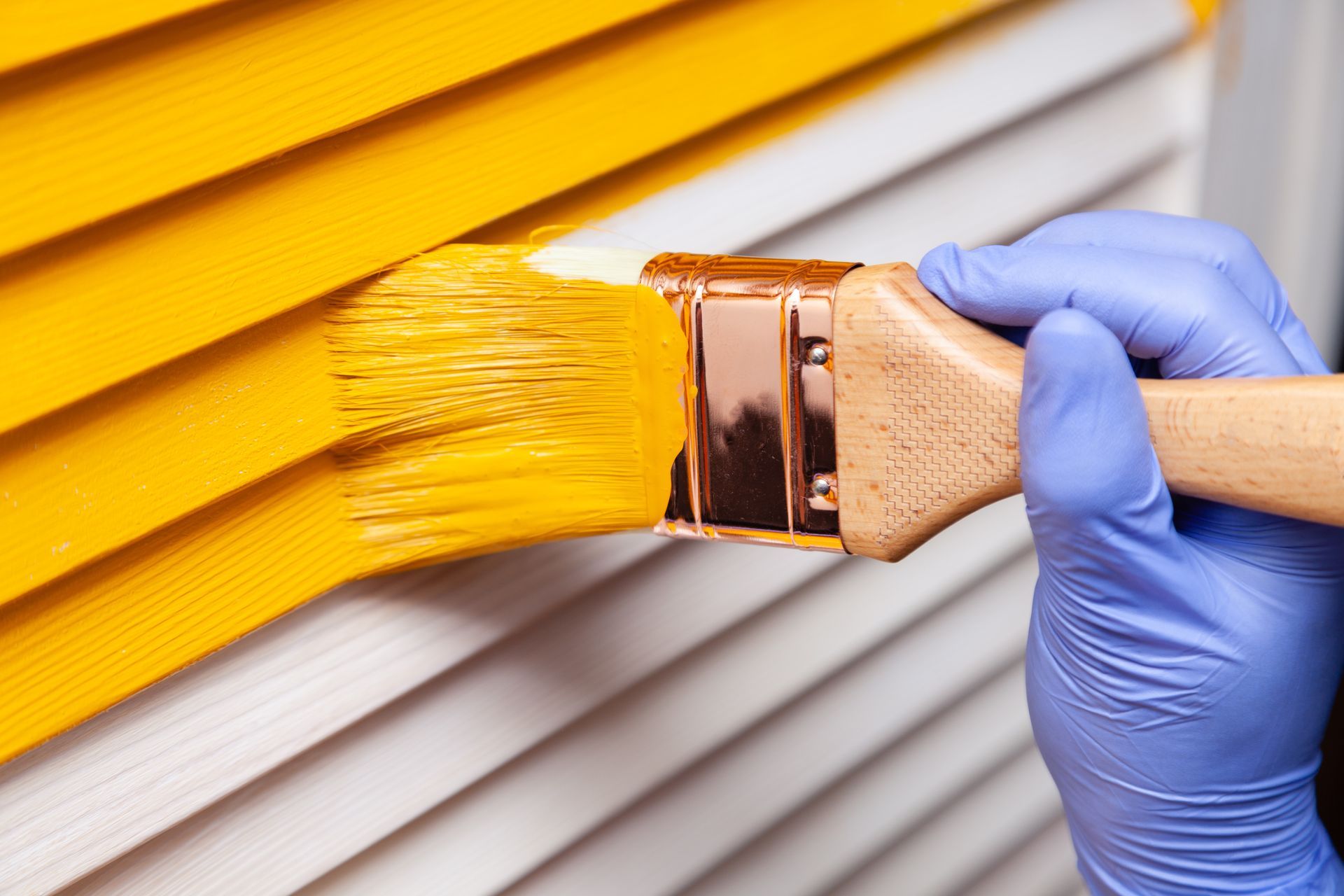
If you're trying to decide whether your Colorado home needs repainting — or planning ahead for when it will — the honest answer is: it depends heavily on where you live, what products were used, and how the job was done. Colorado's climate is significantly harder on exterior paint than most of the country, and the lifespan figures you'll see in national guides often don't apply here.
Here's what actually determines how long exterior paint lasts on a Colorado home, and what you can do to extend it.
Why Colorado is Harder on Paint Than Most States
Three climate factors combine in Colorado to create unusually demanding conditions for exterior coatings:
- UV intensity at altitude. Colorado's elevation — Denver at 5,280 feet, Boulder at 5,430, and mountain communities higher still — means UV radiation is roughly 25% more intense than at sea level. UV is the primary driver of paint chalking, fading, and film breakdown. A paint product rated for 10 years at sea level may show visible degradation in 6 to 7 years in Colorado.
- Temperature swings. Colorado regularly sees temperature differences of 40 to 50 degrees within a single day, particularly in spring and fall. Paint films expand and contract with temperature — repeated thermal cycling over years causes micro-cracking and eventually peeling, particularly at seams, trim joints, and areas with direct south or west sun exposure.
- Low humidity and dry conditions. Colorado's semi-arid climate dries out substrates faster than coastal or humid markets. Wood siding that dries out excessively begins to absorb and release moisture more aggressively, which stresses the paint bond above it — particularly at edges and end grain.
Realistic Lifespan Expectations by Material and Exposure
With these factors in mind, here's what to expect from a quality exterior paint job in Colorado:
- South- and west-facing walls: 5 to 7 years for standard paint, 7 to 10 years for premium products. These surfaces take the most direct UV and afternoon sun.
- North- and east-facing walls: 8 to 12 years — less UV exposure and more moisture retention, but more prone to mildew issues in shaded areas.
- Wood siding: 6 to 9 years depending on whether it's smooth or rough-sawn. Rough-sawn absorbs more product on application but also holds more moisture over time.
- Fiber cement siding: 10 to 15 years when factory-primed and properly top coated. One of the most durable exterior substrates in Colorado's climate.
- Stucco: Elastomeric coatings on stucco can last 8 to 12 years when properly applied over sound substrate. Standard paint on stucco lasts considerably less.
These ranges assume a quality paint product — specifically 100% acrylic exterior formulations — applied correctly over proper primer on a well-prepared surface. Lower-grade products and insufficient prep work can cut these lifespans in half.
The Biggest Factor: Surface Preparation
Paint lifespan in Colorado is determined more by what happened before painting began than by the product applied. No paint system performs well over a failing substrate. The preparation steps that matter most are:
- Pressure washing to remove chalk, dirt, mildew, and loose paint
- Hand scraping and feather-sanding any areas where paint has begun to peel or lift
- Caulk replacement at trim joints, window surrounds, and door frames — old caulk becomes brittle and allows water infiltration that undermines the paint bond from below
- Spot priming on bare wood, patched areas, and any previously uncoated surfaces
- Full prime coat on previously uncoated surfaces or anywhere significant color change is planned
A paint job done on a properly prepared surface in Colorado will regularly outperform a premium product applied over minimal prep by three to five years.
Signs Your Colorado Home Is Ready for Repainting
You don't necessarily need to wait for paint to fail completely. The right time to repaint is when you see the early signs of deterioration — not after the substrate underneath is affected:
- Chalking: a white powdery residue that rubs off on your hand. A sign of UV breakdown of the paint binder.
- Checking or alligatoring: fine surface cracks that look like a dried riverbed. Usually indicates paint has lost flexibility.
- Fading or color change: color shift of more than one or two shades from the original.
- Peeling or bubbling: usually indicates moisture or adhesion failure. Act quickly — peeling paint can expose substrate to further moisture damage.
- Staining or mildew growth: particularly on north-facing and shaded walls.
Catching these signs at the early-to-mid stage rather than late-stage gives you more flexibility on timing, product selection, and budget — and reduces prep work significantly.
Ready to Repaint? Talk to a Local Colorado Painting Contractor
If your Colorado home is showing any of these signs, the next step is a free on-site assessment to determine what prep work is needed and what products are appropriate for your specific substrate, exposure, and climate conditions. Formula Roofing & Remodeling provides exterior painting services in Denver, Aurora, and Boulder — call (303) 600-8696 for a free estimate.