Why Hire a Licensed Commercial Roofing Contractor in Aurora, CO

When it comes to safeguarding your commercial property, hiring a licensed commercial roofing contractor in Aurora, CO, is a decision that can protect your investment and ensure peace of mind. Attention commercial property owners: navigating the complexities of roofing repairs or replacements requires trusted experts who understand local regulations and safety standards. Imagine avoiding costly mistakes and prolonged headaches by simply choosing the right professional from the start. That’s why companies like Formula Roofing And Remodeling emphasize the importance of hiring licensed contractors. In this article, we’ll explore why selecting a licensed commercial roofing contractor is crucial for your business, focusing on legal requirements, safety standards, and quality assurance.

The Legal and Safety Reasons for Choosing Licensed Contractors

One of the primary reasons to hire a licensed commercial roofing contractor in Aurora, CO, is to ensure that your roofing project complies with local building codes and regulations. Licensed contractors have met the necessary qualifications and passed exams that guarantee their knowledge of regional codes and standards, meaning your roofing installation or repair will meet official safety requirements. This compliance helps prevent costly fines or legal issues that can arise from unauthorized or improperly executed work. Additionally, licensed contractors are held accountable by licensing boards, providing you with a level of protection and recourse if any problems occur during or after the project.

Safety on a commercial roofing job is paramount. Licensed roofing contractors undergo specific training that equips them with the skills to work safely at heights and handle materials correctly. This reduces the risk of accidents on-site, protecting both workers and your property. Moreover, licensed contractors typically carry appropriate insurance, including workers’ compensation and liability insurance, further safeguarding your business from potential lawsuits or claims resulting from job-related injuries or damages.

Risks of Unlicensed Roofing Work: Poor Quality and Code Violations

Choosing an unlicensed contractor for your commercial roofing needs is fraught with risks. Without formal training or accountability, unlicensed roofing contractors often deliver subpar workmanship that can compromise the structural integrity of your roof. Poor installation can lead to leaks, premature deterioration, and expensive repairs down the road. In many cases, these contractors may cut corners to save time or money, leaving your roof vulnerable to damage from harsh weather conditions common in Aurora, CO. Ultimately, this can result in higher long-term costs and decreased property value due to the need for ongoing repairs or full roof replacement.

Unlicensed work may also result in code violations, leading to fines, forced rework, and difficulties when selling or leasing your commercial property. Building inspectors may reject the work done by an unlicensed commercial roofing contractor in Aurora, CO, and your insurance company might refuse coverage if damage occurs due to improperly installed roofing. Essentially, opting for unlicensed labor jeopardizes your investment, safety, and legal standing.

How Formula Roofing And Remodeling Ensures Full Compliance and Customer Peace of Mind

While this article emphasizes the general importance of hiring licensed professionals, it’s worth noting that reputable companies like Formula Roofing And Remodeling demonstrate the benefits firsthand. Licensed roofing contractors like these commit to following all local codes and industry best practices to guarantee quality results. Their licensing serves as a mark of professionalism and reliability.

Licensed contractors such as Formula Roofing And Remodeling provide customers with detailed estimates, warranties, and transparent communication throughout the roofing project, ensuring accountability. This level of service not only protects your commercial property but also gives you confidence that your roofing needs are met properly the first time. Their commitment to quality workmanship and customer satisfaction sets them apart in the competitive market.

Why a Roofing Contractor Should Be Your Trusted Partner

A licensed commercial roofing contractor is more than just a service provider—they are your partner in protecting one of your most valuable assets. Their expertise allows them to recommend appropriate roofing materials that fit your building’s structure and climate considerations. Additionally, experienced roofing contractors help you navigate permits and inspections, simplifying what can often be a complex process.

Working with a licensed commercial roofing contractor also means you benefit from industry connections, including trusted suppliers and subcontractors. This network ensures access to high-quality materials and timely project completion. Additionally, licensed contractors stay updated on the latest roofing technologies and installation techniques, providing you with the most efficient and durable solutions. Their established reputation in the community also means you can trust their commitment to professionalism and customer satisfaction.

Protect Your Investment With a Licensed Commercial Roofing Contractor

When it comes to commercial roofing, don’t take chances with unlicensed providers. Hiring a licensed commercial roofing contractor guarantees code compliance, safety, quality workmanship, and legal protection. Licensed contractors help you avoid costly errors and provide peace of mind that your roofing system will protect your business for years to come. If you are in need of a reliable and licensed roofing contractor in Aurora, CO, reach out to Formula Roofing And Remodeling, who value safety, quality, and customer satisfaction.

Removed triple glazed window glass unit leaning near frame after replacement in apartment.
October 28, 2026
Triple-pane windows cost more. Are they worth it in Colorado's climate? Here's an honest comparison of performance, cost, and payback at altitude.
Roof Replacement in CO
October 28, 2026
Getting your Colorado roof replaced? Here's the full timeline — from permit to final walkthrough — and what you need to do to prepare your home and family.
FORTIFIED roofing in CO
October 28, 2026
FORTIFIED certification is the highest roofing standard in the US. Here's what it means for Colorado homeowners, who needs it, and whether the cost is justified.
GAF Certification
October 9, 2026
GAF Master Elite is rare. GAF 3-Star President's Club is rarer still. Here's the difference between the two — and why it matters when choosing a roofer in Colorado.
failed window glazing
October 9, 2026
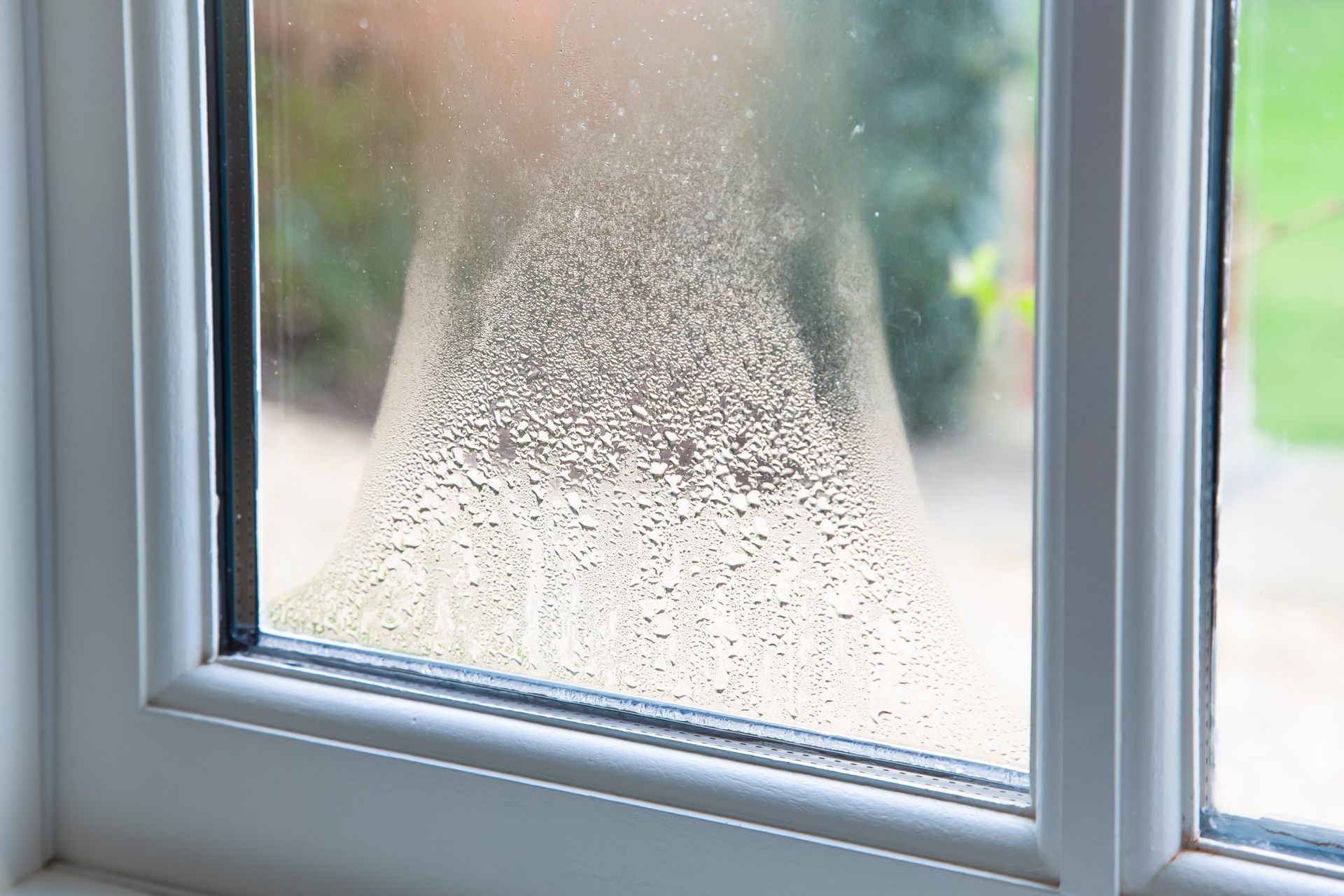
Fogging, drafts, sticky frames, rising energy bills — these are the signs your Colorado windows are failing. How to read each symptom and what to do next.
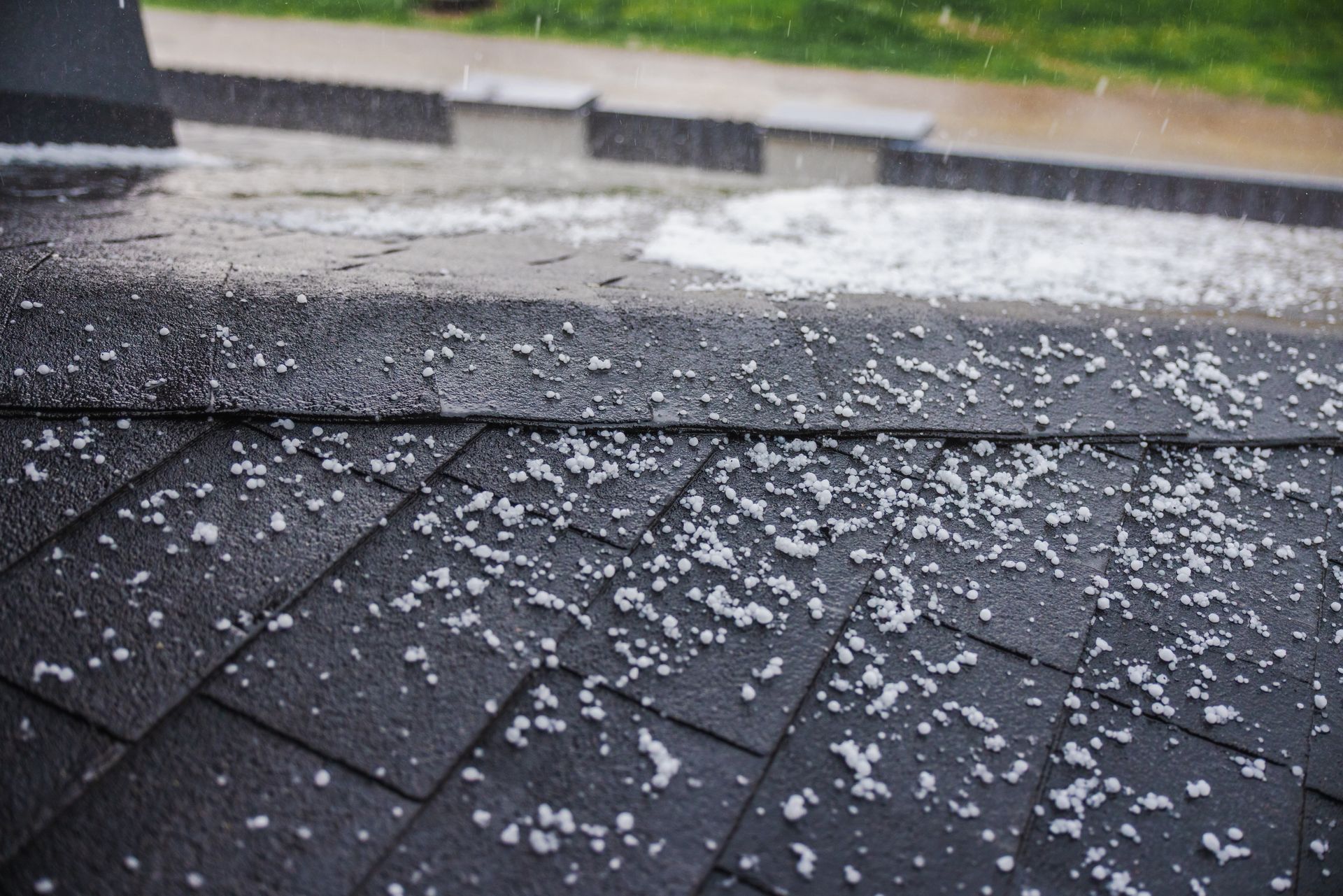
Small hailstones falling and covering a dark shingled roof during a rainstorm.
October 9, 2026
Hail damaged your Colorado roof? Here's exactly how to document damage, work with your adjuster, and file a successful insurance claim in 2026.
Exterior painting in Colorado
October 9, 2026
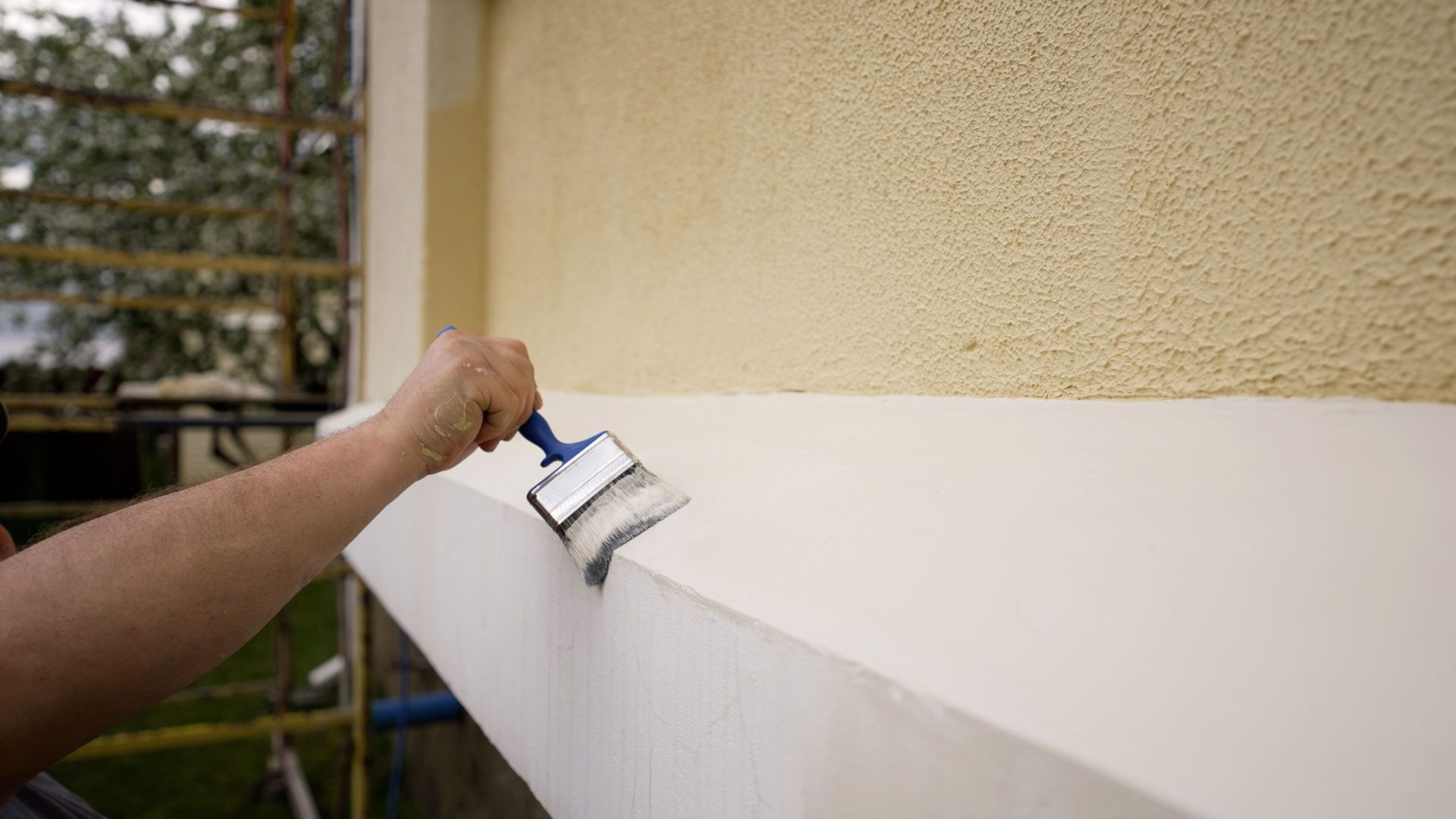
Colorado's UV, altitude, and temperature swings are unusually hard on exterior paint. Here's how long you can realistically expect a paint job to last — and what extends it.
August 27, 2026
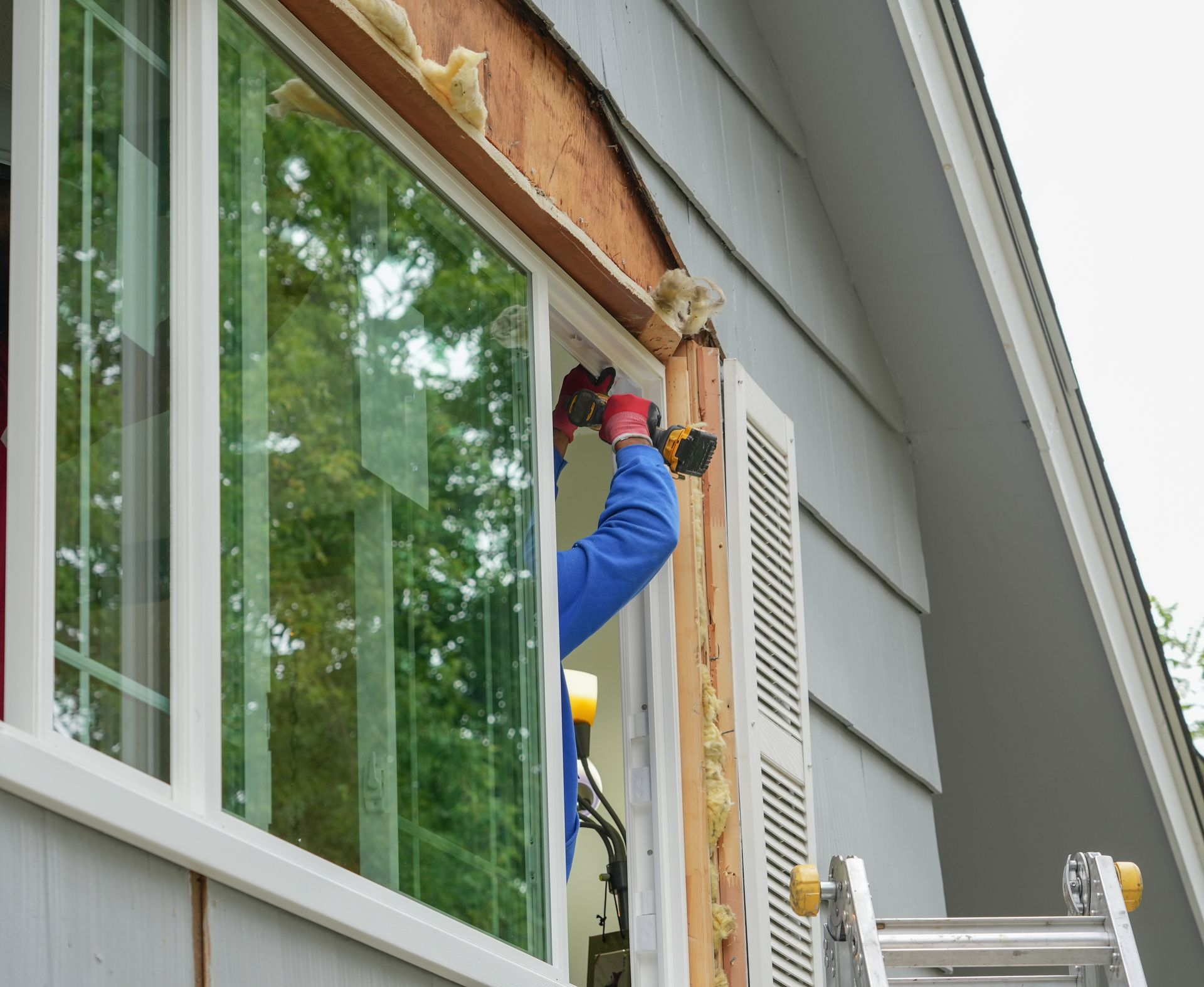
Window replacement is rarely top of mind until something goes obviously wrong, a crack in the glass, a window that won't close properly, or a heating bill that makes you wince. But the signs your Aurora home needs new windows often appear long before it reaches that point and catching them before winter arrives gives you the best timing for installation and the biggest energy savings going into the cold months.
Exterior House Painting Denver CO
August 5, 2026
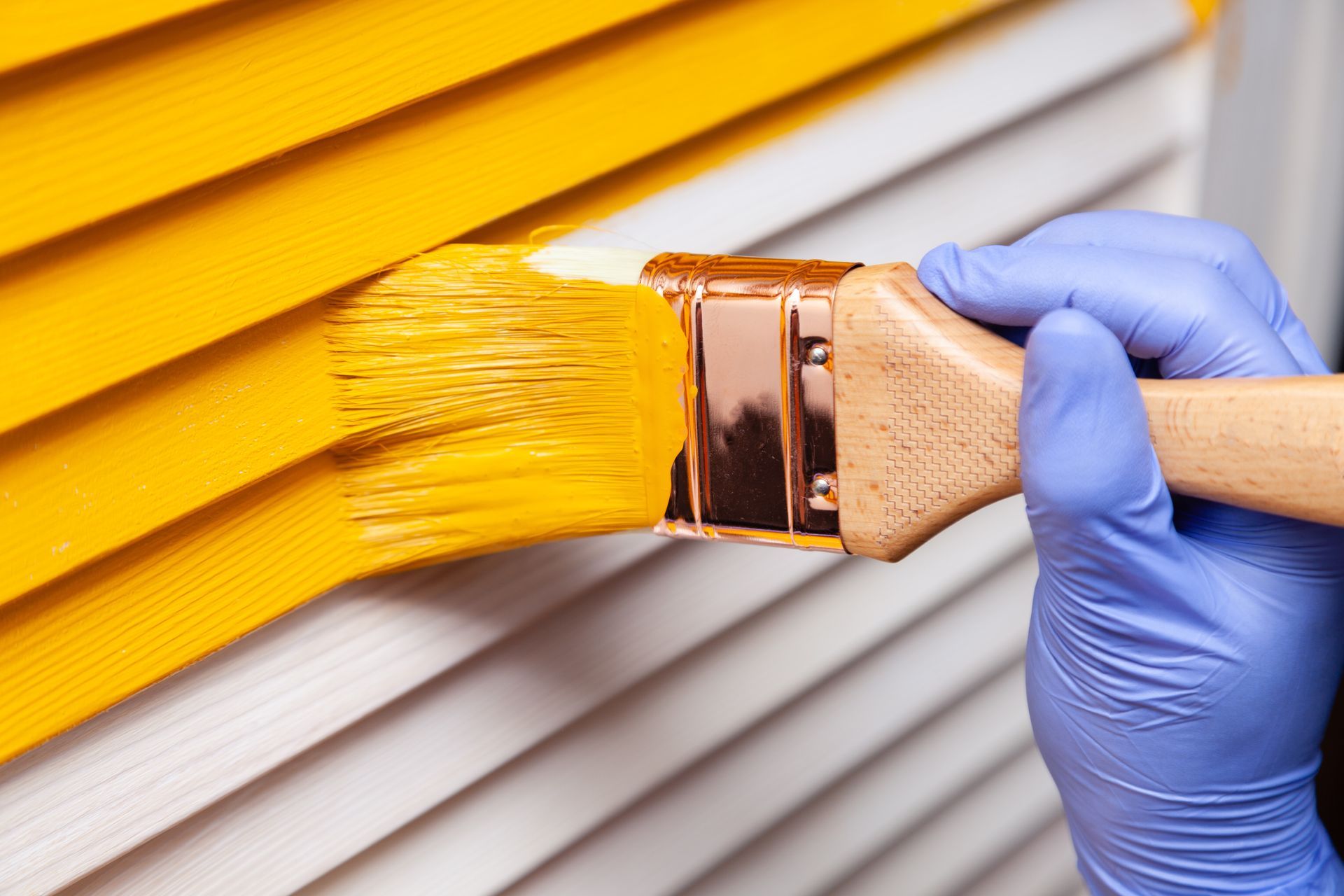
How much does exterior house painting cost in Denver in 2026? Average ranges, what drives price, and how to get an accurate estimate. Local painting company since 1981.
July 29, 2026
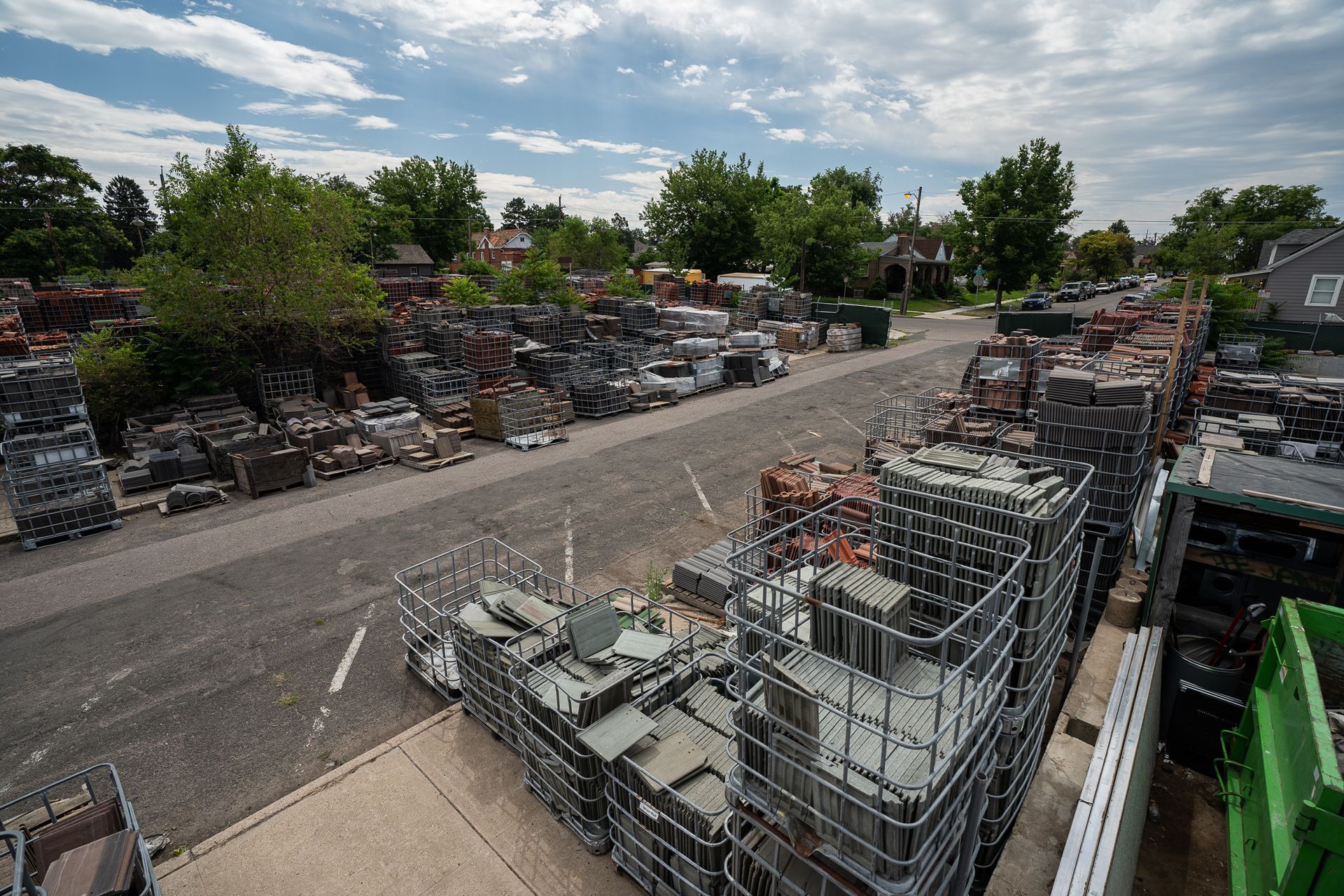
Colorado homeowners and contractors are increasingly looking for responsible ways to handle roofing materials at the end of their service life. Denver is now introducing new requirements that will make recycling and reuse part of the permitting process for many construction and demolition projects. Beginning September 1, 2026, the City and County of Denver will require many qualifying projects to divert at least 50% of construction and demolition debris by weight and recycle or reuse at least three covered material categories. These rules apply only within the City and County of Denver. What the New Denver Rules Mean for Roofing Projects For qualifying roofing projects, contractors may need to submit a waste-diversion plan before the permit is issued. The plan must estimate the total debris weight, identify materials intended for recycling or reuse, list the destination and transportation method, and estimate the project’s diversion rate. After final inspection, the contractor generally has 60 days to provide supporting documentation such as weight tickets, donation receipts, photographs, or written records showing where reusable materials were taken. The rules do not require every roofing material to be recycled, and they do not prohibit landfill disposal. However, material sent to a landfill counts against the required diversion percentage. Contractors may apply for modified requirements when full compliance is impractical. What About Asphalt Shingles? Asphalt shingles remain one of the most difficult roofing products to recycle in Colorado because the state lacks a convenient, widespread processing network. The Denver rules also do not specifically identify asphalt roofing shingles as a covered material. In most cases, removed asphalt shingles will continue to be disposed of unless a recycler specifically agrees to accept them. Clay and Concrete Roofing Tile Can Often Be Reused Clay and concrete roofing tiles are different from many other roofing products because intact tiles can retain value after removal. Usable tiles may be sorted, stored, and reused for repairs, restoration work, additions, or matching discontinued profiles and colors. Formula Roofing & Remodeling, doing business as Custom Tile Roofing, accepts used clay and concrete roofing tiles in many circumstances. Homeowners and contractors who need a facility for surplus or removed tile should contact us before disposal so we can review the tile type, profile, quantity, condition, and project location. Assistance for Contractors For contractors with larger quantities of salvageable clay or concrete tile, we can often provide large metal collection crates, coordinate placement at the project, and arrange transportation off-site at no charge. Availability depends on the material, quantity, condition, project location, site access, timing, and desirability. Contractors should provide photographs, the project address, estimated quantity, manufacturer or profile if known, and the anticipated tear-off date. A Better Option for Homeowners Replacing a Tile Roof If you are a homeowner considering replacement of a clay or concrete tile roof, Formula Roofing can manage the complete project, including removal of the existing roof and installation of the new roofing product you select. When the existing tile has salvage value, Formula may offer project-specific credits or discounts based on the type, condition, quantity, rarity, and demand for the material. Hiring Formula allows the removal, salvage evaluation, transportation, and new roof installation to be coordinated as one project. This can reduce unnecessary disposal while giving the homeowner access to experienced clay and concrete tile roofing specialists and a wide range of replacement options. Being Green Has Always Been Part of Our Business Philosophy Long before Denver adopted formal construction-waste diversion rules, salvaging and reusing tile was part of the way Formula Roofing and Custom Tile Roofing operated. Preserving discontinued and hard-to-find roofing tile keeps usable material out of landfills and helps property owners complete accurate repairs and restorations. The new Denver requirements reinforce a practice we have supported for years: roofing materials should not automatically be treated as waste when they still have practical value. Contact Formula Roofing / Custom Tile Roofing Homeowners and contractors with used clay or concrete roofing tile should contact us before removing or disposing of the material. We can help determine whether the tile may be accepted, whether collection crates and transportation are available, and whether salvage credits or project discounts may apply.  Call 303-600-8696 or email info@formularoofing.com / customtileroofing@gmail.com for details. Acceptance is not guaranteed and is subject to advance review of the tile, quantity, condition, project location, access, timing, and current storage needs. Denver permitting and waste-diversion requirements may vary by project.