Your Guide to Roof Repair in Aurora, CO
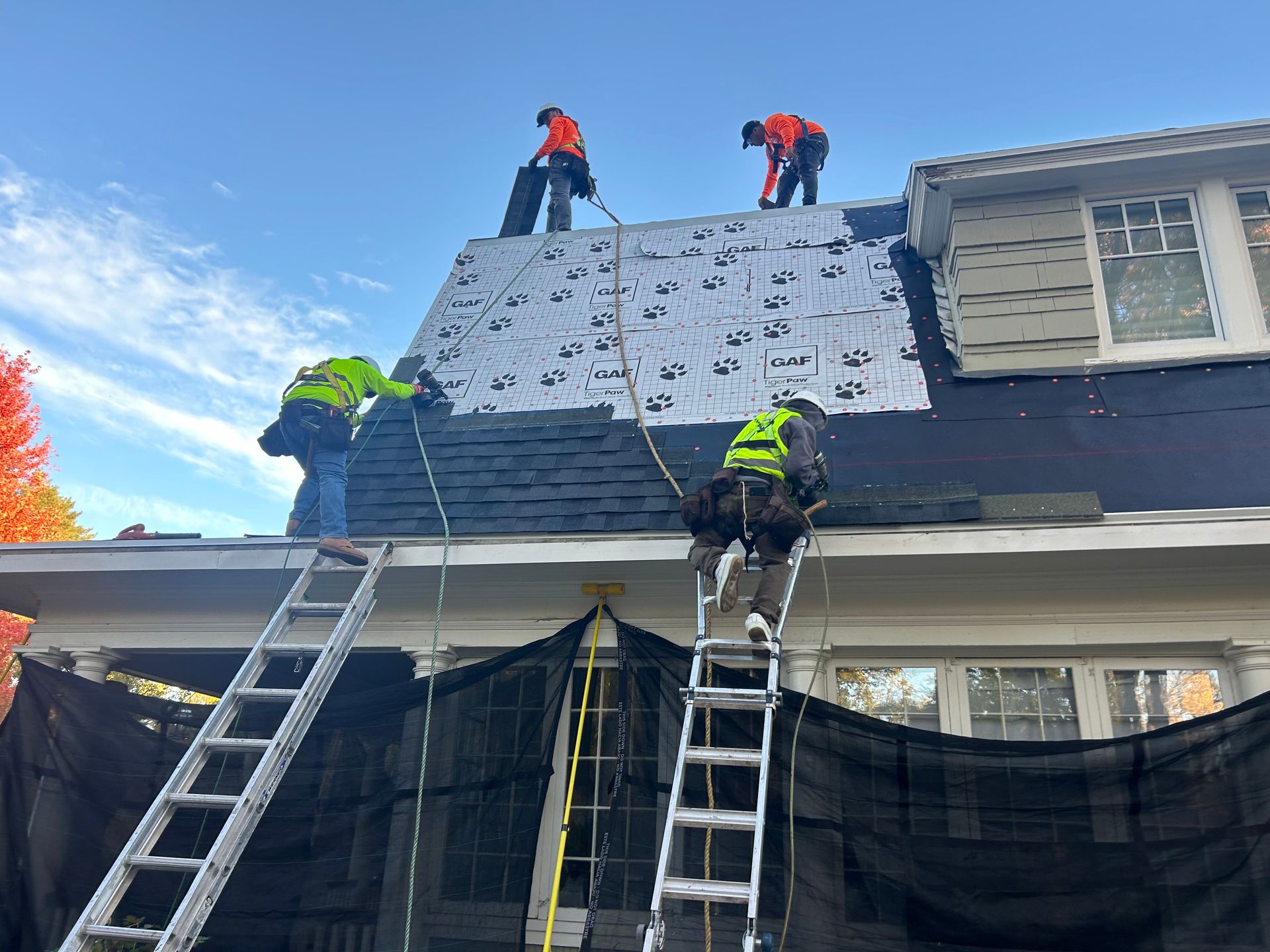
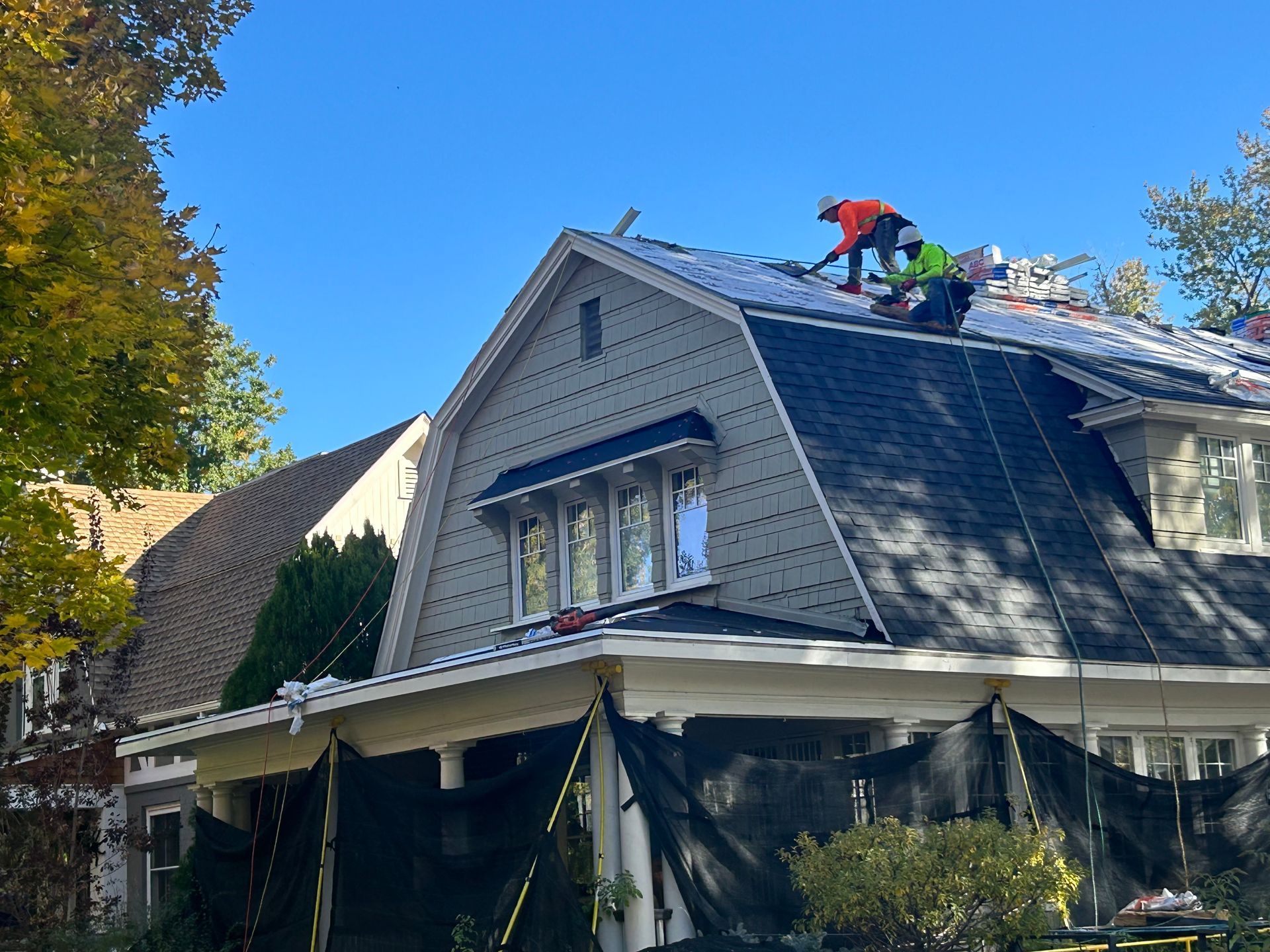
Four men performing roof repairs on a house, using tools and safety gear for maintenance work.

From spring hailstorms to freezing winter ice dams, the weather in Aurora, CO, puts roofs to the test. If you're searching for roof repair in Aurora, CO, you're likely already feeling the effects of Colorado’s extreme conditions. Protecting your home starts with understanding how local weather impacts your roof and acting before minor issues become costly repairs. Whether you own a residential property or manage a commercial building, staying ahead of weather-related damage is critical. 

How Aurora's Weather Affects Your Roof

Aurora experiences a range of weather extremes, each capable of damaging roofing materials over time.


These seasonal conditions demand regular inspections and specialized repairs tailored to Colorado’s climate:

  • Spring Hailstorms: Aurora is notorious for spring hail. Even small hailstones can crack shingles, expose underlayment, and lead to leaks. Hail damage might not be visible from the ground, making professional inspections crucial.
  • Summer Sun Damage: Intense UV rays and heat during summer can warp, crack, and prematurely age roofing materials. Asphalt shingles can dry out, curl, and become brittle, increasing vulnerability to wind and rain.
  • Autumn Windstorms: Gusty fall winds can dislodge or lift shingles, leaving your roof exposed to moisture infiltration. Leaves and debris can also clog gutters, exacerbating water backup issues.
  • Winter Ice Dams: Ice dams form when melting snow refreeze along roof edges, creating barriers that prevent proper drainage. This causes water to back up under shingles, leading to leaks, mold, and insulation damage.

These seasonal threats make proactive roof repair in Aurora, CO, an essential part of home and building maintenance.

Preventative Maintenance Tips For Homeowners & Property Managers

Want to reduce the risk of major repairs and extend your roof’s life? Start with these simple yet effective habits:

  • Clean Gutters Twice a Year: Prevent ice dams and water pooling.
  • Trim Overhanging Branches: Reduce wind damage and debris accumulation.
  • Check Your Attic Insulation: Helps regulate temperature and prevents ice dams.
  • Schedule Seasonal Inspections: Especially after storms or rapid weather shifts.
  • Seal Flashings and Vents: Stop leaks before they start.

Preventative care is essential for both homeowners and those overseeing commercial roofing in Aurora, CO, where small issues can quickly escalate across expansive roof areas.

The Importance of Local Expertise

Why does local knowledge matter when it comes to roofing? Aurora’s roofing challenges aren’t universal; they're unique to the Front Range’s high-altitude weather patterns. National or out-of-town contractors might not understand the specific seasonal threats your roof faces. That’s where Formula Roofing and Remodeling excels. With deep experience in commercial roofing in Aurora, CO, and residential repairs, they provide tailored solutions built to withstand Aurora’s climate. 
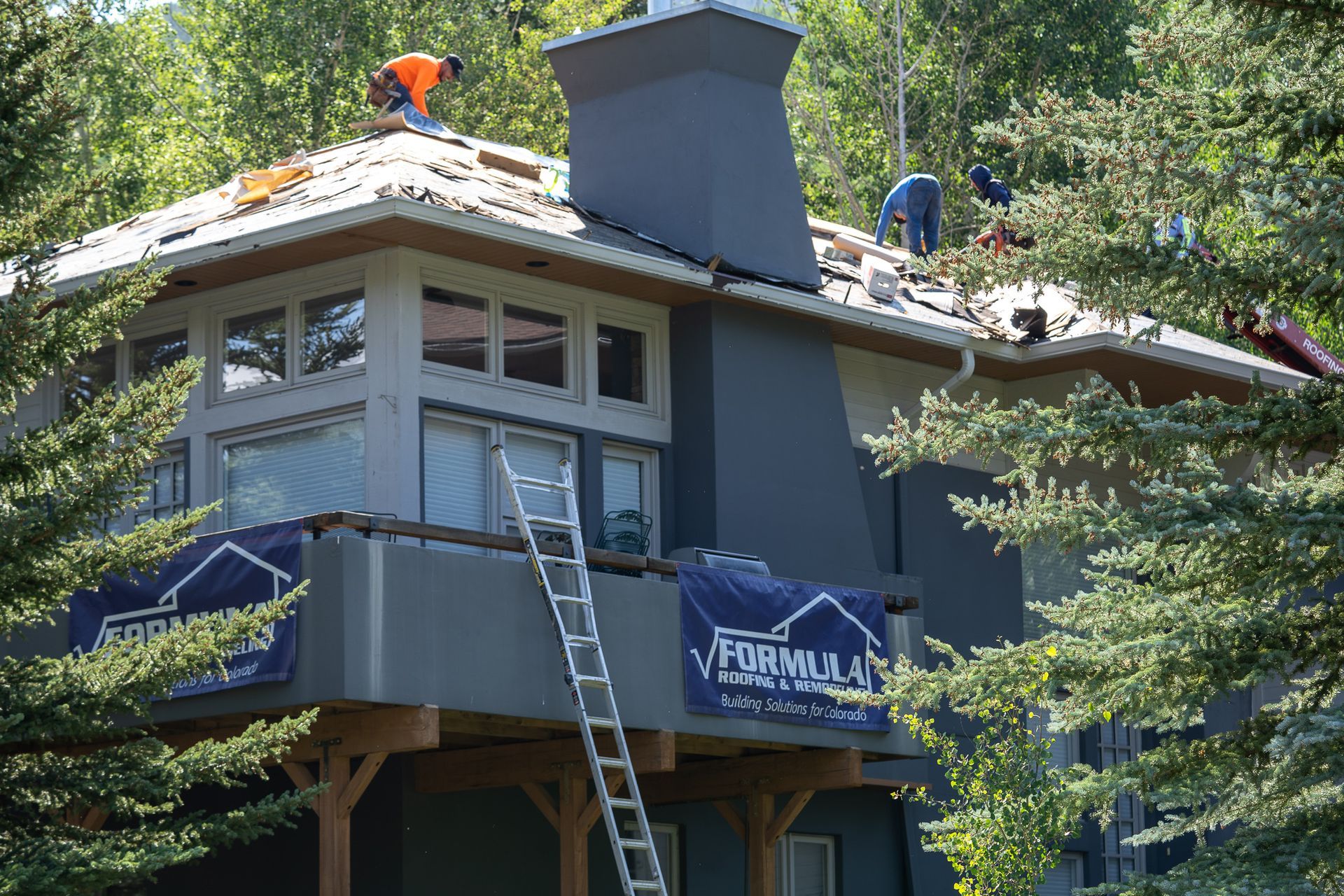
Two men performing roof repairs on a house, using tools and safety gear for maintenance work.

Best Materials and Repair Techniques in Aurora, CO

Choosing the right materials and repair methods is critical for long-lasting roof repair in Aurora, CO, especially given the city’s extreme weather conditions. From hail-resistant shingles to flexible sealants that expand and contract with temperature swings, using climate-appropriate solutions helps ensure your roof stands up to the elements year-round. 


Recommended Materials and Techniques for Aurora Roofs:

  • Impact-resistant shingles: Ideal for hail-prone spring storms.
  • Metal roofing: Great for shedding snow and withstanding high winds.
  • EPDM and TPO membranes: Common in flat roofs, especially for commercial applications.
  • High-quality flashing and sealants: Prevent leaks during freeze-thaw cycles.
  • Reinforced underlayment: Provides added protection against moisture and UV rays.

Using the right materials during your roof repair in Aurora, CO, can dramatically extend your roof’s lifespan and reduce future maintenance costs.

What to Expect From a Roof Repair in Aurora, CO

When scheduling a roof repair in Aurora, CO, it’s helpful to know what the process typically involves. From the initial inspection to the final cleanup, reputable contractors like Formula Roofing and Remodeling follow a clear, efficient approach that prioritizes quality, safety, and communication. Whether it’s minor shingle replacement or major structural fixes, you can expect professional experience that keeps your property protected.


Here’s what to expect during a roof repair service:

  • Thorough inspection to assess visible and hidden damage.
  • Detailed estimate outlining scope, costs, and timeline.
  • Use of appropriate weather materials suited to Aurora’s climate.
  • Skilled craftsmanship from trained roofing professionals.
  • Clean worksite and final walkthrough to ensure your satisfaction.

By understanding the process and working with local experts, your roof repair in Aurora, CO, will be smooth, efficient, and built to withstand future weather challenges.

Trust Formula Roofing for Reliable Roof Repair in Aurora, CO

If your roof has seen better days, or you just want to prepare for the next storm, call the experts at Formula Roofing and Remodeling. With years of experience handling roof repair in Aurora, CO, their team understands how to spot and fix issues before they become disasters. Their commitment to quality craftsmanship, premium materials, and local knowledge make them the go-to choice for both homeowners and businesses seeking commercial roofing in Aurora, CO. They don’t just patch problems; they provide solutions built to last.


Don’t let Colorado’s unpredictable weather put your home or business at risk. Whether you’re dealing with hail damage, leaks, or aging materials, Formula Roofing and Remodeling is your trusted partner for roof repair in Aurora, CO. Contact us to schedule your inspection. Protect your investment and ensure your roof is ready to face whatever Aurora’s weather throws its way!

Removed triple glazed window glass unit leaning near frame after replacement in apartment.
October 28, 2026
Triple-pane windows cost more. Are they worth it in Colorado's climate? Here's an honest comparison of performance, cost, and payback at altitude.
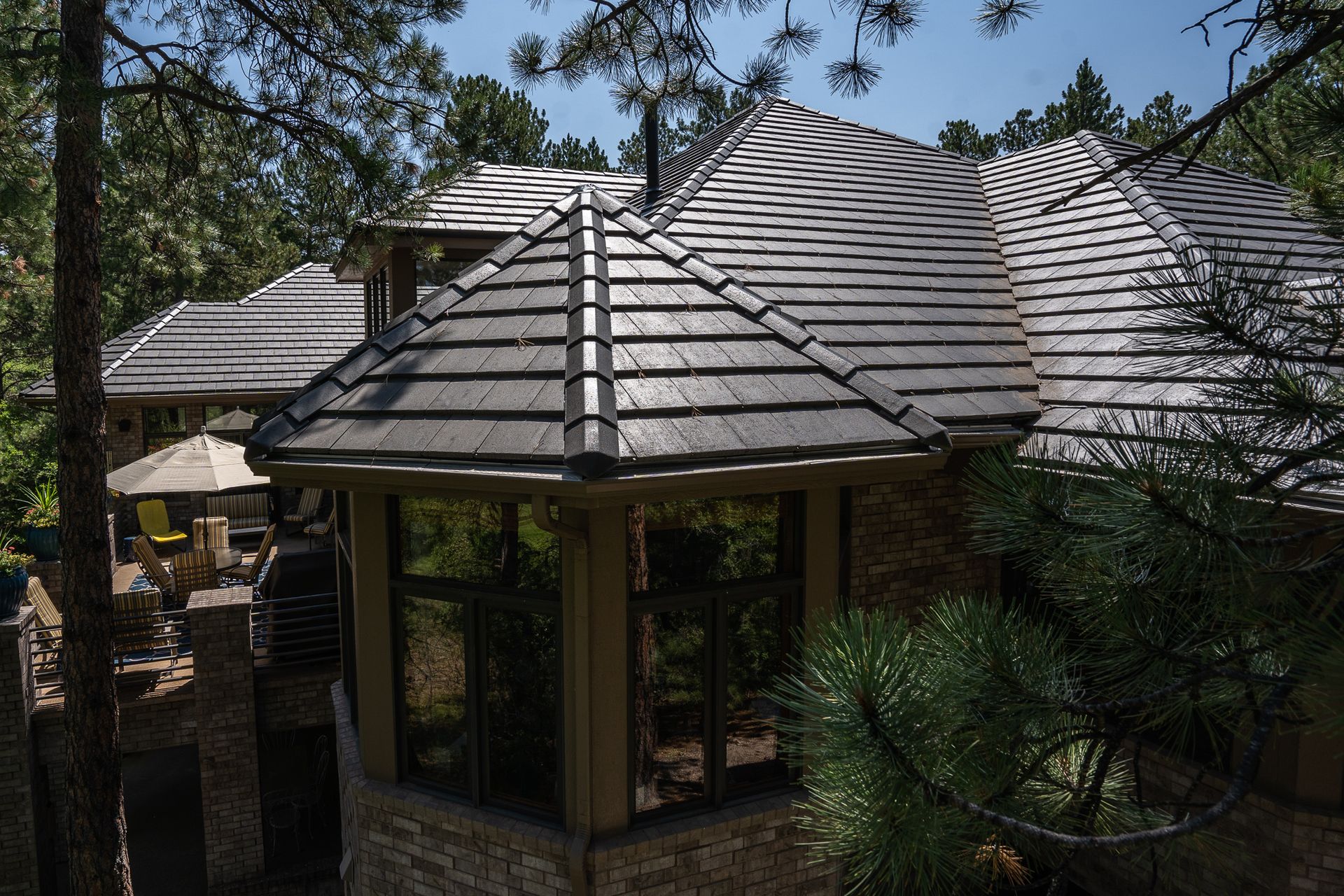
Roof Replacement in CO
October 28, 2026
Getting your Colorado roof replaced? Here's the full timeline — from permit to final walkthrough — and what you need to do to prepare your home and family.
FORTIFIED roofing in CO
October 28, 2026
FORTIFIED certification is the highest roofing standard in the US. Here's what it means for Colorado homeowners, who needs it, and whether the cost is justified.
GAF Certification
October 9, 2026
GAF Master Elite is rare. GAF 3-Star President's Club is rarer still. Here's the difference between the two — and why it matters when choosing a roofer in Colorado.
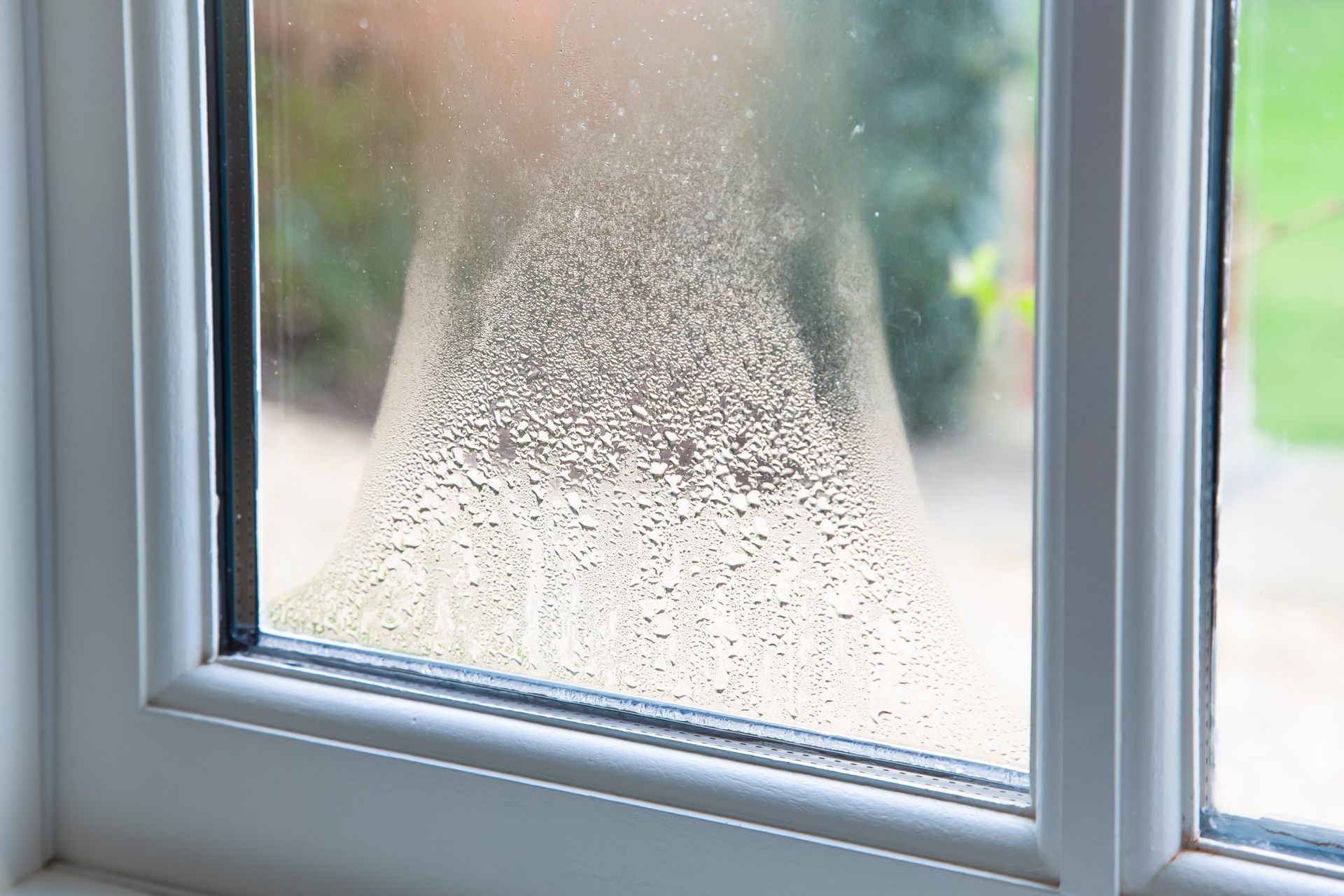
failed window glazing
October 9, 2026
Fogging, drafts, sticky frames, rising energy bills — these are the signs your Colorado windows are failing. How to read each symptom and what to do next.
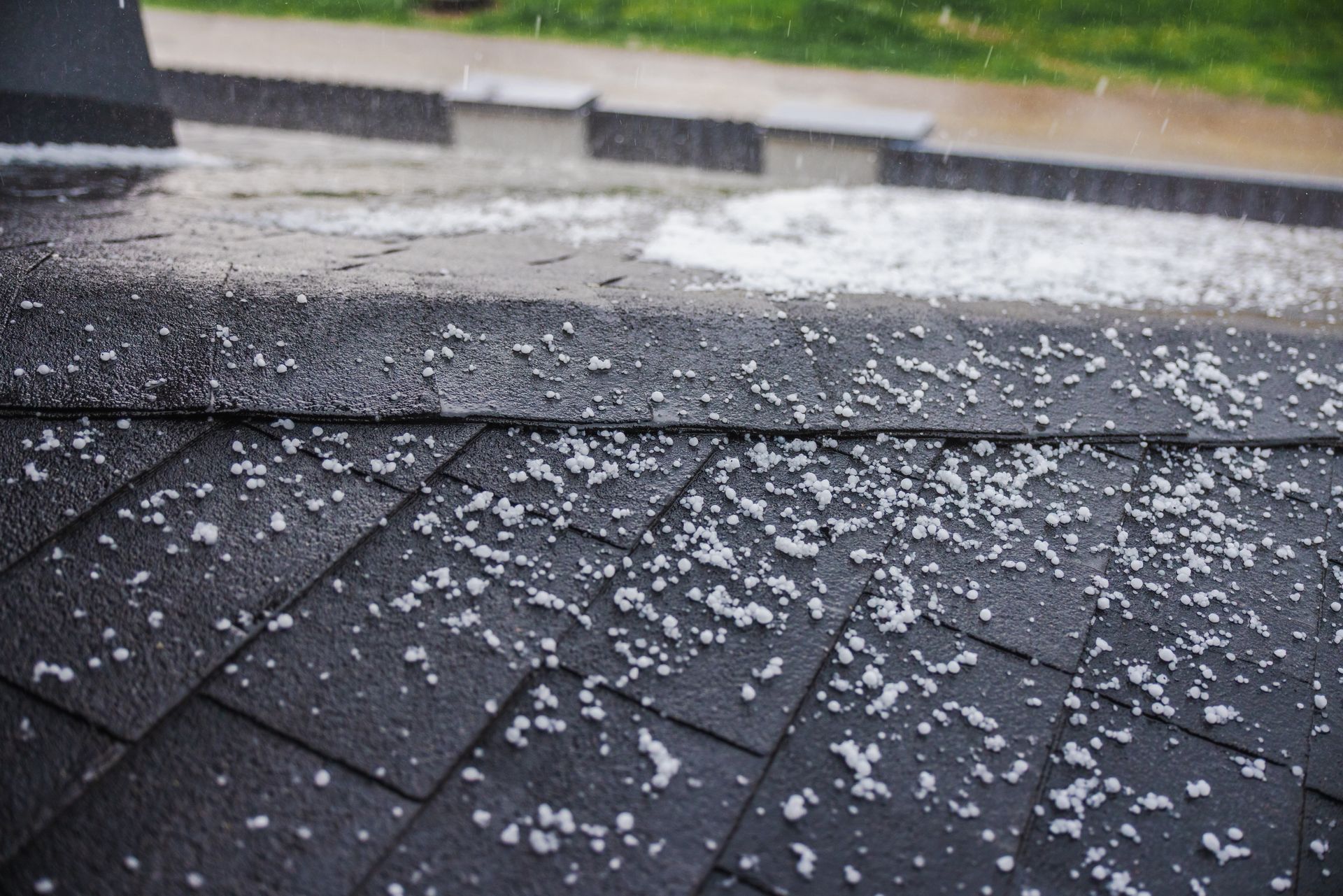
Small hailstones falling and covering a dark shingled roof during a rainstorm.
October 9, 2026
Hail damaged your Colorado roof? Here's exactly how to document damage, work with your adjuster, and file a successful insurance claim in 2026.
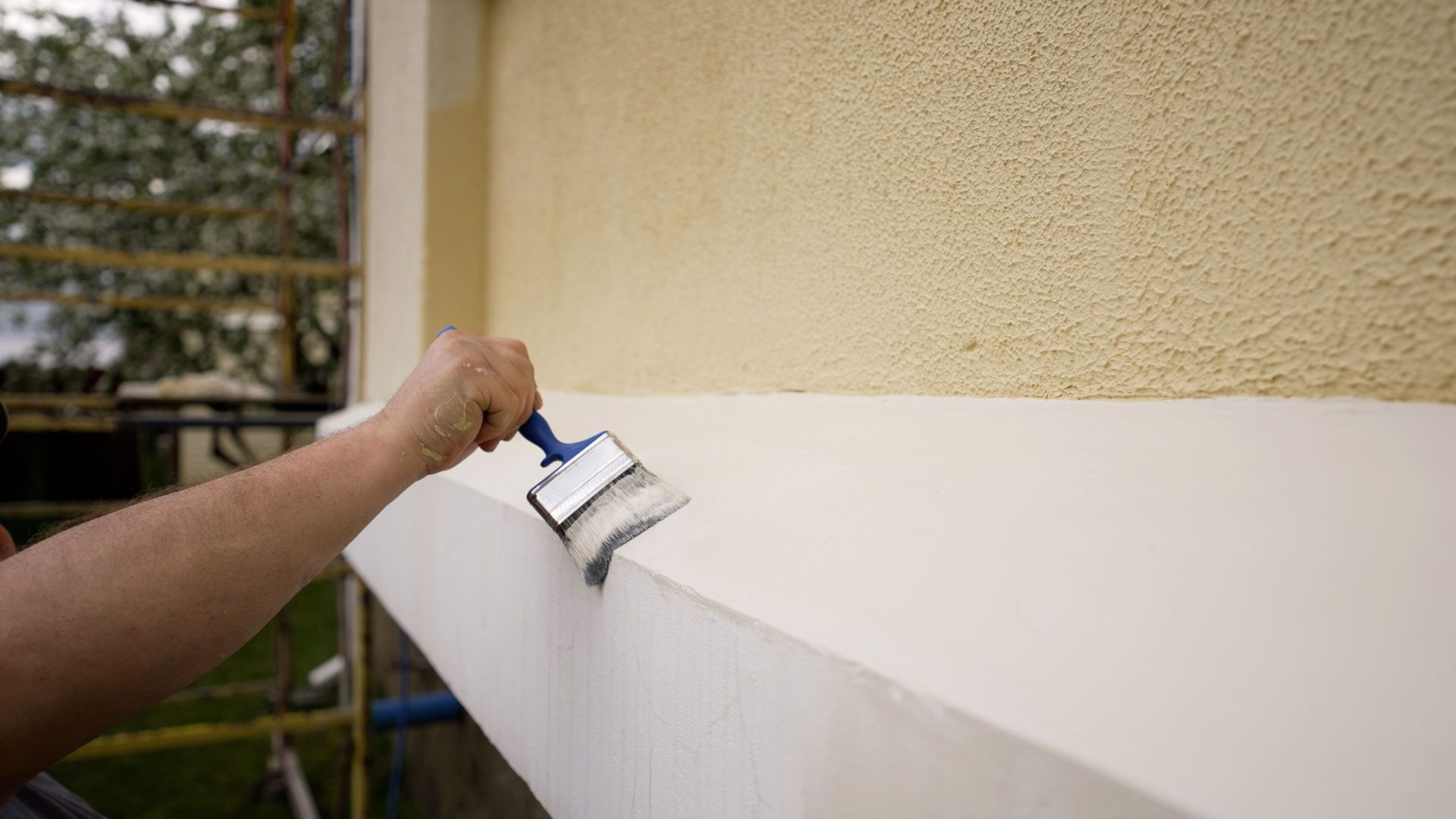
Exterior painting in Colorado
October 9, 2026
Colorado's UV, altitude, and temperature swings are unusually hard on exterior paint. Here's how long you can realistically expect a paint job to last — and what extends it.
August 27, 2026
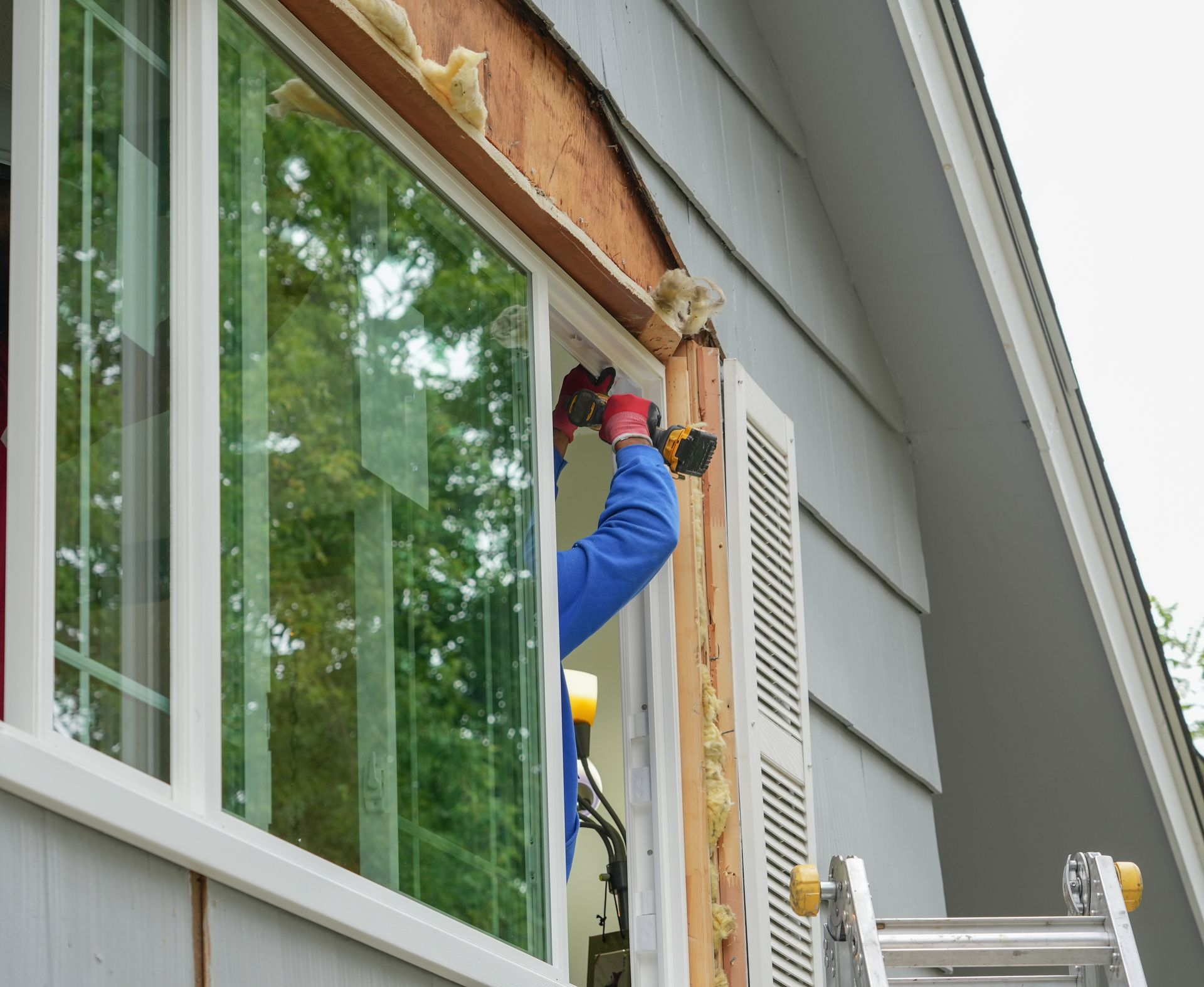
Window replacement is rarely top of mind until something goes obviously wrong, a crack in the glass, a window that won't close properly, or a heating bill that makes you wince. But the signs your Aurora home needs new windows often appear long before it reaches that point and catching them before winter arrives gives you the best timing for installation and the biggest energy savings going into the cold months.
Exterior House Painting Denver CO
August 5, 2026
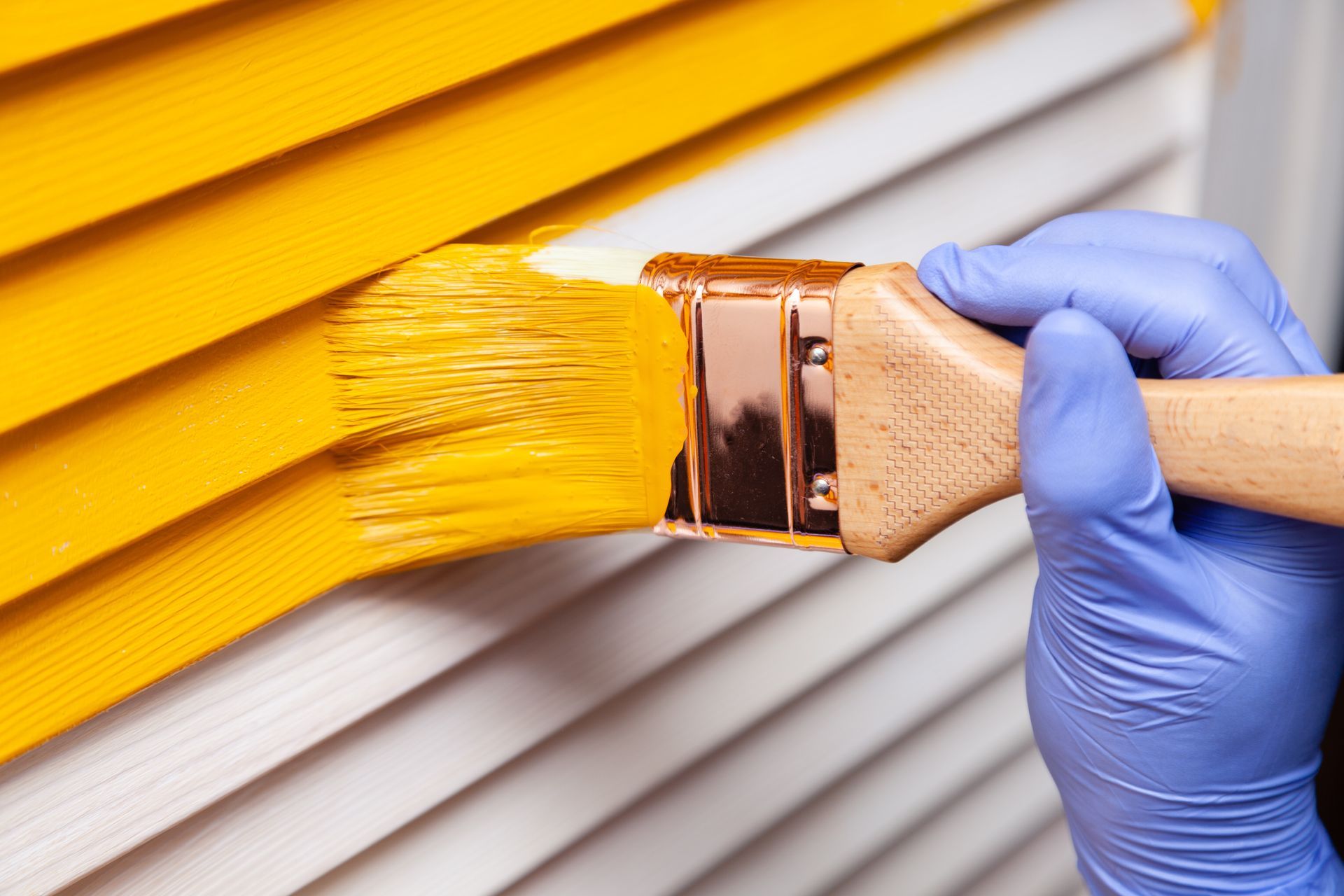
How much does exterior house painting cost in Denver in 2026? Average ranges, what drives price, and how to get an accurate estimate. Local painting company since 1981.
July 29, 2026
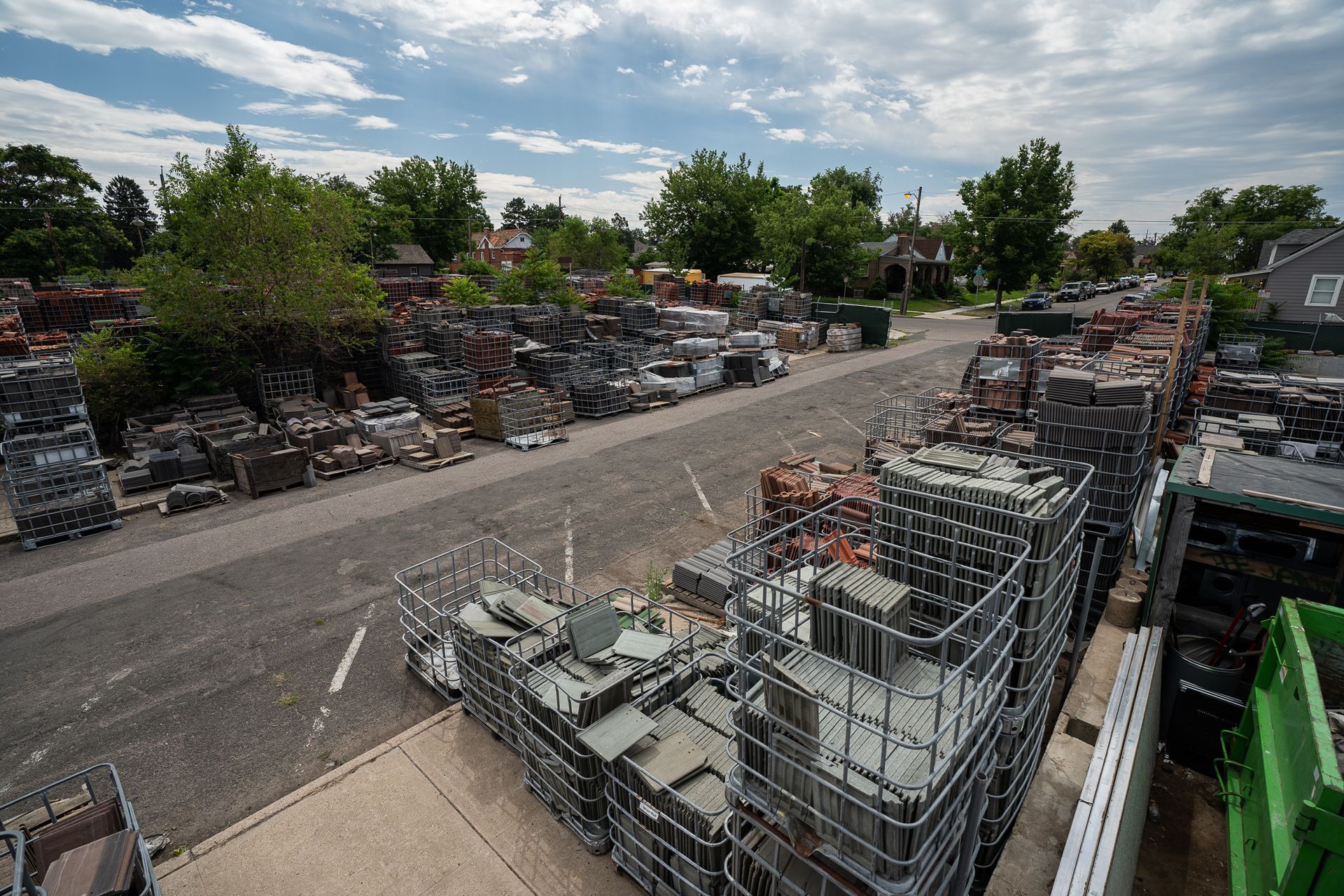
Colorado homeowners and contractors are increasingly looking for responsible ways to handle roofing materials at the end of their service life. Denver is now introducing new requirements that will make recycling and reuse part of the permitting process for many construction and demolition projects. Beginning September 1, 2026, the City and County of Denver will require many qualifying projects to divert at least 50% of construction and demolition debris by weight and recycle or reuse at least three covered material categories. These rules apply only within the City and County of Denver. What the New Denver Rules Mean for Roofing Projects For qualifying roofing projects, contractors may need to submit a waste-diversion plan before the permit is issued. The plan must estimate the total debris weight, identify materials intended for recycling or reuse, list the destination and transportation method, and estimate the project’s diversion rate. After final inspection, the contractor generally has 60 days to provide supporting documentation such as weight tickets, donation receipts, photographs, or written records showing where reusable materials were taken. The rules do not require every roofing material to be recycled, and they do not prohibit landfill disposal. However, material sent to a landfill counts against the required diversion percentage. Contractors may apply for modified requirements when full compliance is impractical. What About Asphalt Shingles? Asphalt shingles remain one of the most difficult roofing products to recycle in Colorado because the state lacks a convenient, widespread processing network. The Denver rules also do not specifically identify asphalt roofing shingles as a covered material. In most cases, removed asphalt shingles will continue to be disposed of unless a recycler specifically agrees to accept them. Clay and Concrete Roofing Tile Can Often Be Reused Clay and concrete roofing tiles are different from many other roofing products because intact tiles can retain value after removal. Usable tiles may be sorted, stored, and reused for repairs, restoration work, additions, or matching discontinued profiles and colors. Formula Roofing & Remodeling, doing business as Custom Tile Roofing, accepts used clay and concrete roofing tiles in many circumstances. Homeowners and contractors who need a facility for surplus or removed tile should contact us before disposal so we can review the tile type, profile, quantity, condition, and project location. Assistance for Contractors For contractors with larger quantities of salvageable clay or concrete tile, we can often provide large metal collection crates, coordinate placement at the project, and arrange transportation off-site at no charge. Availability depends on the material, quantity, condition, project location, site access, timing, and desirability. Contractors should provide photographs, the project address, estimated quantity, manufacturer or profile if known, and the anticipated tear-off date. A Better Option for Homeowners Replacing a Tile Roof If you are a homeowner considering replacement of a clay or concrete tile roof, Formula Roofing can manage the complete project, including removal of the existing roof and installation of the new roofing product you select. When the existing tile has salvage value, Formula may offer project-specific credits or discounts based on the type, condition, quantity, rarity, and demand for the material. Hiring Formula allows the removal, salvage evaluation, transportation, and new roof installation to be coordinated as one project. This can reduce unnecessary disposal while giving the homeowner access to experienced clay and concrete tile roofing specialists and a wide range of replacement options. Being Green Has Always Been Part of Our Business Philosophy Long before Denver adopted formal construction-waste diversion rules, salvaging and reusing tile was part of the way Formula Roofing and Custom Tile Roofing operated. Preserving discontinued and hard-to-find roofing tile keeps usable material out of landfills and helps property owners complete accurate repairs and restorations. The new Denver requirements reinforce a practice we have supported for years: roofing materials should not automatically be treated as waste when they still have practical value. Contact Formula Roofing / Custom Tile Roofing Homeowners and contractors with used clay or concrete roofing tile should contact us before removing or disposing of the material. We can help determine whether the tile may be accepted, whether collection crates and transportation are available, and whether salvage credits or project discounts may apply.  Call 303-600-8696 or email info@formularoofing.com / customtileroofing@gmail.com for details. Acceptance is not guaranteed and is subject to advance review of the tile, quantity, condition, project location, access, timing, and current storage needs. Denver permitting and waste-diversion requirements may vary by project.