8 Benefits of Tile Roofing

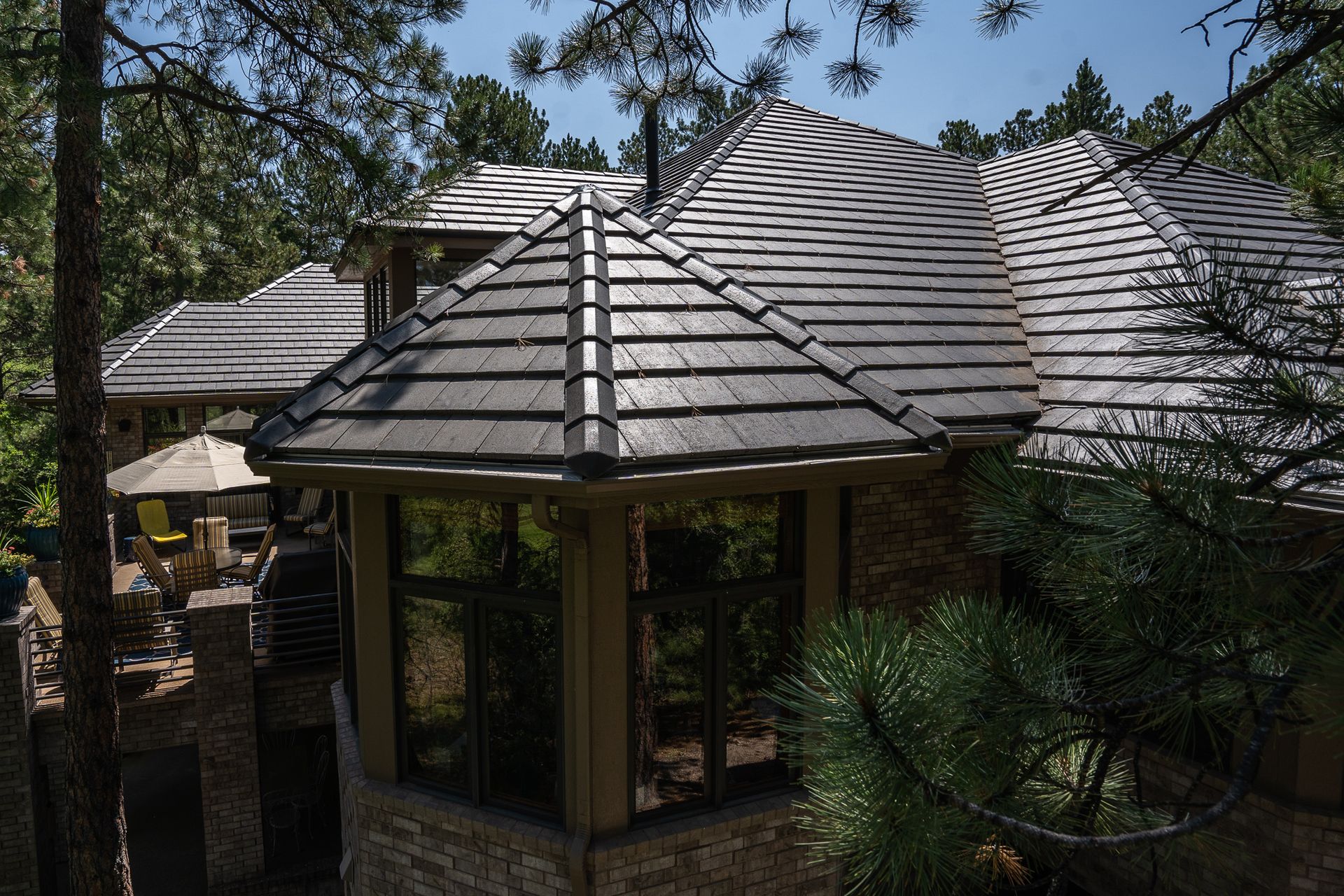
Tile roofing is one of the best roofing materials on the market. It's aesthetically pleasing and can last longer than many other roofing materials. As long as you hire a professional tile installation company, you can enjoy a beautiful roof for decades. Discover some advantages to tile roofing that may make you consider installing a clay or concrete tile roof on your home or commercial property.


1. Cost-Effective


Tile roofing can provide a great return on your investment. It is made to last, usually providing decades of service before needing replacement. Tile is also resistant to strong wind and rain, meaning it will withstand damage from the elements much better than other materials. Additionally, tile roofing provides excellent insulation for your home, helping keep your energy costs low.


2. Beautiful and Enduring


Tile roofing also adds a beautiful aesthetic to any property, making it one of the most sought-after roofing materials for homeowners. It's available in many shapes and sizes that can give you an attractive way to add value to your property. Moreover, the material is extremely durable and can last for decades with minimal maintenance.


3. Energy-Efficient


Tile roofing also offers excellent energy efficiency, helping to keep your home warmer in the winter and cooler in the summer. Tile can reflect much of the sun's heat away from your property, reducing your need for air conditioning and helping you save on energy costs. In addition, tile can also help to keep your home cooler in the hotter months since it doesn't absorb as much heat from the sun.


4. Fire Resistant


Tile roofing is also fire-resistant, typically ‘Class A’ rated, making it an ideal choice whether your home is in an urban, suburban or rural location. Fire resistance can be invaluable in areas where wildfires are common or in the event of an accident involving a spark or electrical surge.


5. Sustainable


One of the best things about tile roofing is that it's made from natural materials and recyclable. Sustainability means you won't have to worry about tile roofing ending up in a landfill when it reaches the end of its lifespan. Furthermore, because tile roofing doesn't use many unnatural products, its production process can be more sustainable than other materials.


6. Customizable


Tile roofing also gives you the ability to customize your design in terms of shape, size, and color. You can choose between traditional terra-cotta tiles or more modern options, such as concrete tiles, that come in various colors and shapes. You can create a unique look for your home.


7. Noise Cancelling


Tile roofing is also great at blocking out noise from the outside, making it ideal for those living in noisy areas. Since the material is thicker than other roofing options, it provides an extra barrier against sound coming in or going out. With a tile roof, you can enjoy a peaceful environment without worrying about loud neighbors or traffic.


8. Versatile


Tile roofing is also extremely versatile and can mimic other roofing materials, such as shingles, wood shakes, or slate. You may also opt for the traditional S-shaped or barrel styles. 


Because there are so many varieties to choose from, tile roofs can work with any architectural style, from Victorian to Contemporary.


If you're currently in the market for a new roof, tile roofing offers a great option for many different needs. If you want a roof that will last, tile roofing is one of the best options available. Contact us today to learn more about tile roofing installation and repair. Our experienced professionals are here to answer all your questions and help you find the best roofing solution for your property.

Removed triple glazed window glass unit leaning near frame after replacement in apartment.
October 28, 2026
Triple-pane windows cost more. Are they worth it in Colorado's climate? Here's an honest comparison of performance, cost, and payback at altitude.
Roof Replacement in CO
October 28, 2026
Getting your Colorado roof replaced? Here's the full timeline — from permit to final walkthrough — and what you need to do to prepare your home and family.
FORTIFIED roofing in CO
October 28, 2026
FORTIFIED certification is the highest roofing standard in the US. Here's what it means for Colorado homeowners, who needs it, and whether the cost is justified.
GAF Certification
October 9, 2026
GAF Master Elite is rare. GAF 3-Star President's Club is rarer still. Here's the difference between the two — and why it matters when choosing a roofer in Colorado.
failed window glazing
October 9, 2026
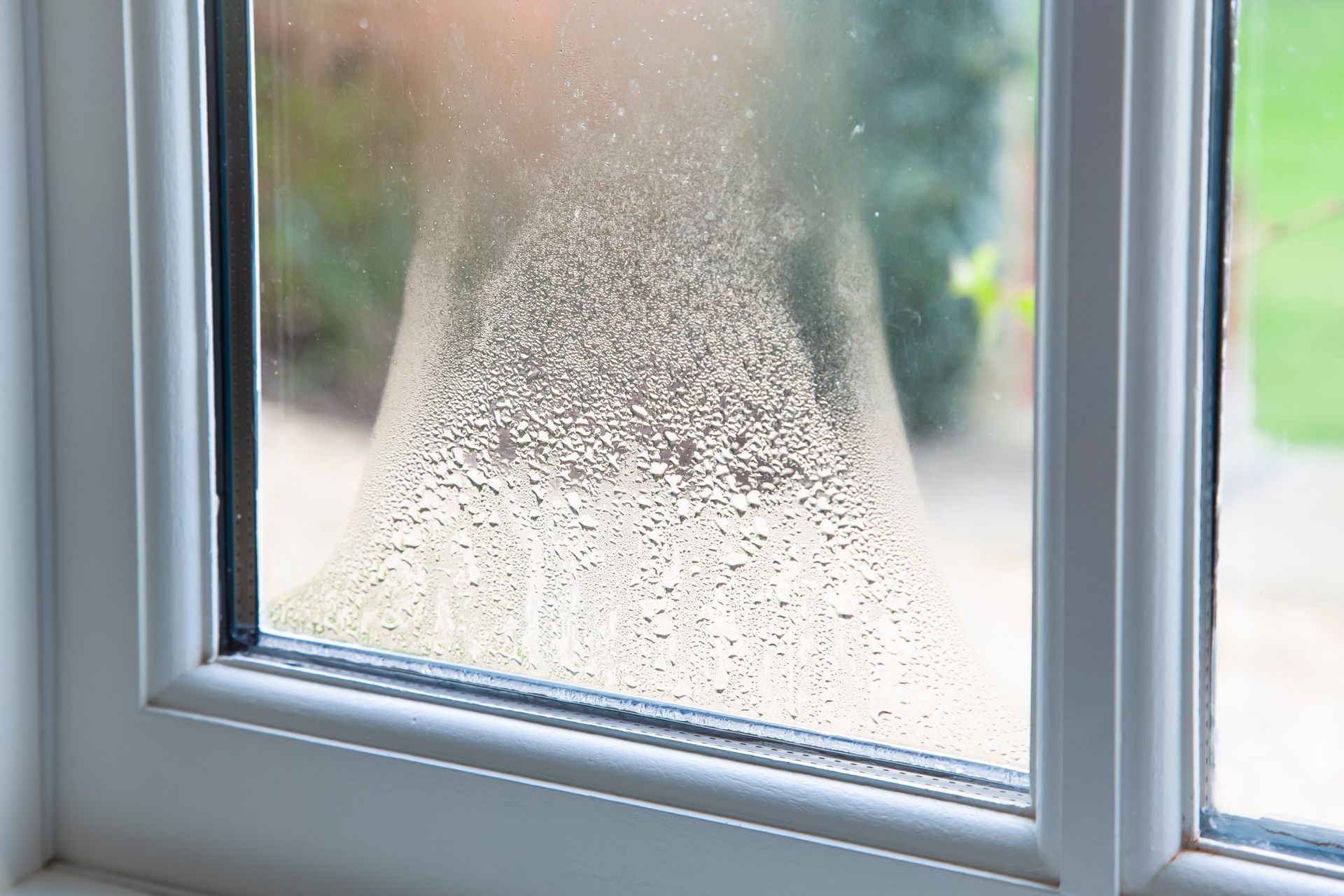
Fogging, drafts, sticky frames, rising energy bills — these are the signs your Colorado windows are failing. How to read each symptom and what to do next.
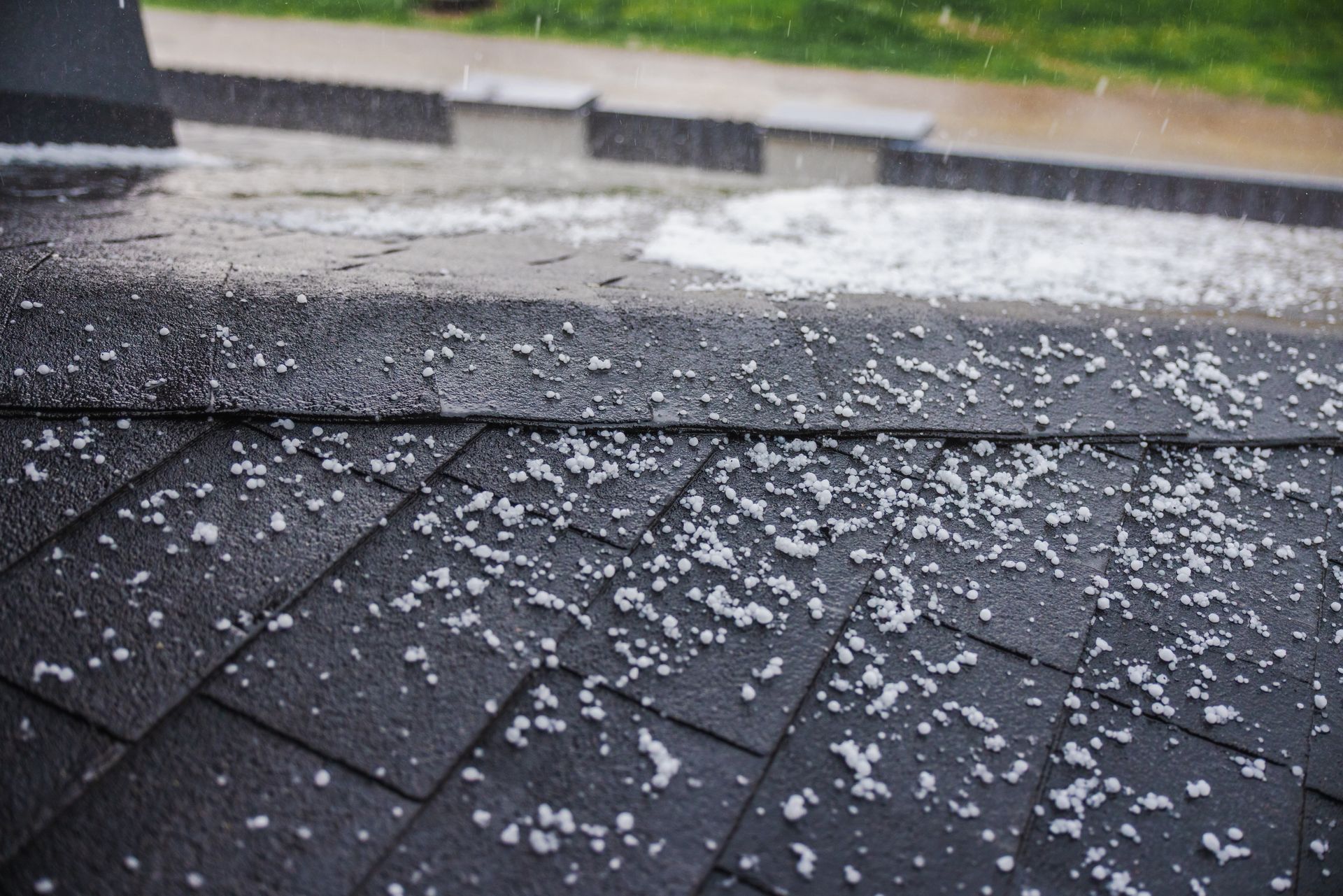
Small hailstones falling and covering a dark shingled roof during a rainstorm.
October 9, 2026
Hail damaged your Colorado roof? Here's exactly how to document damage, work with your adjuster, and file a successful insurance claim in 2026.
Exterior painting in Colorado
October 9, 2026
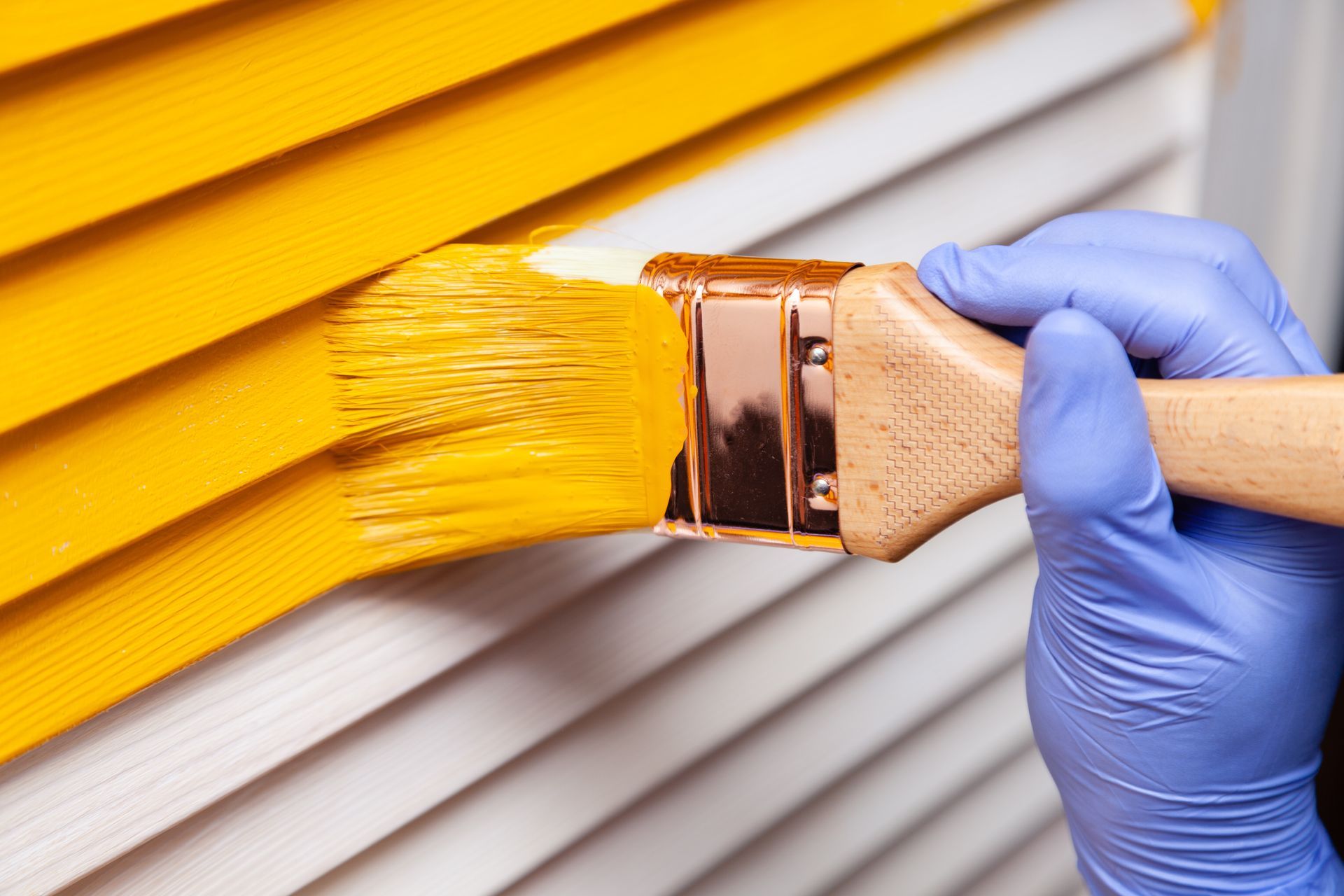
Colorado's UV, altitude, and temperature swings are unusually hard on exterior paint. Here's how long you can realistically expect a paint job to last — and what extends it.
August 27, 2026
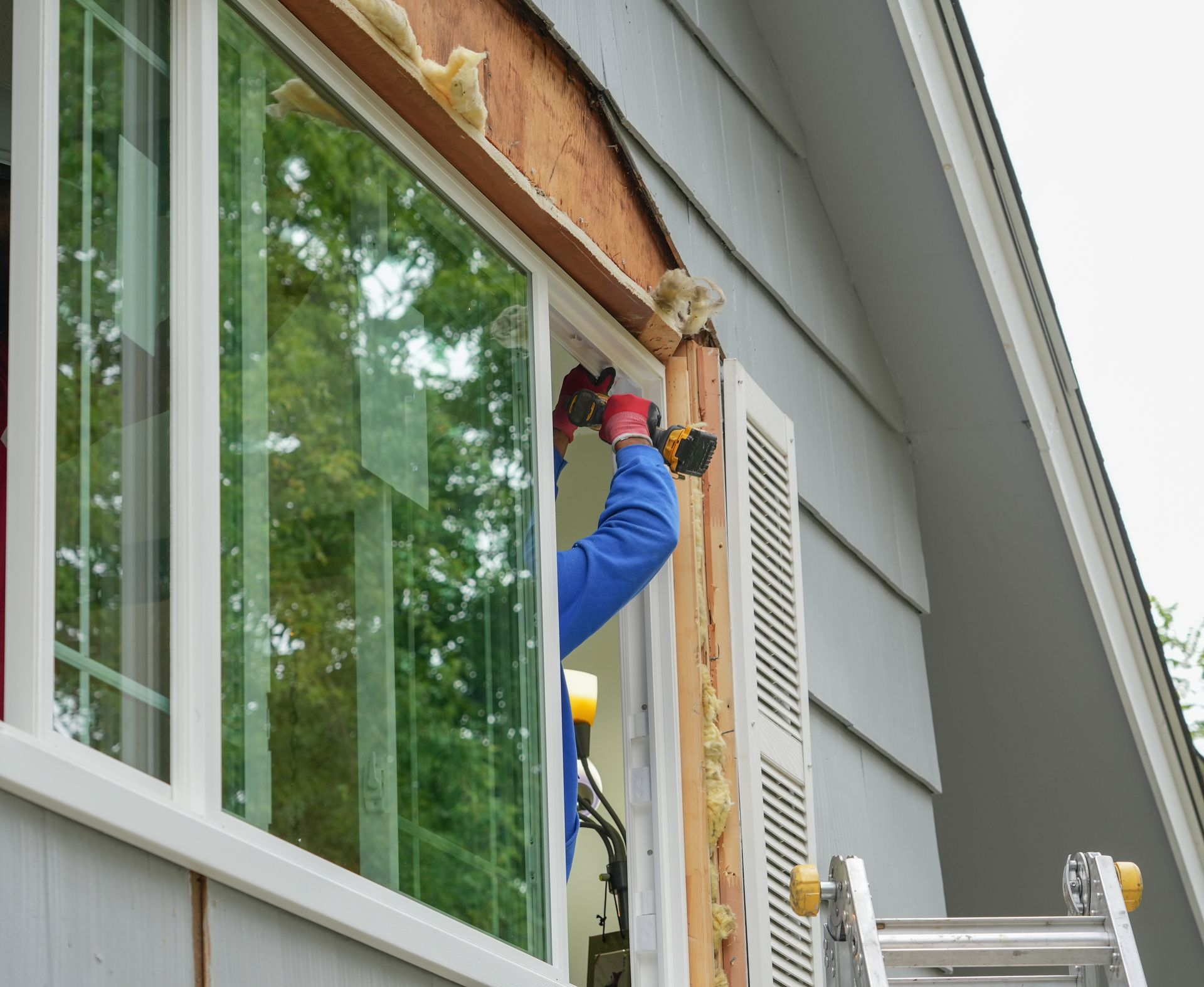
Window replacement is rarely top of mind until something goes obviously wrong, a crack in the glass, a window that won't close properly, or a heating bill that makes you wince. But the signs your Aurora home needs new windows often appear long before it reaches that point and catching them before winter arrives gives you the best timing for installation and the biggest energy savings going into the cold months.
Exterior House Painting Denver CO
August 5, 2026
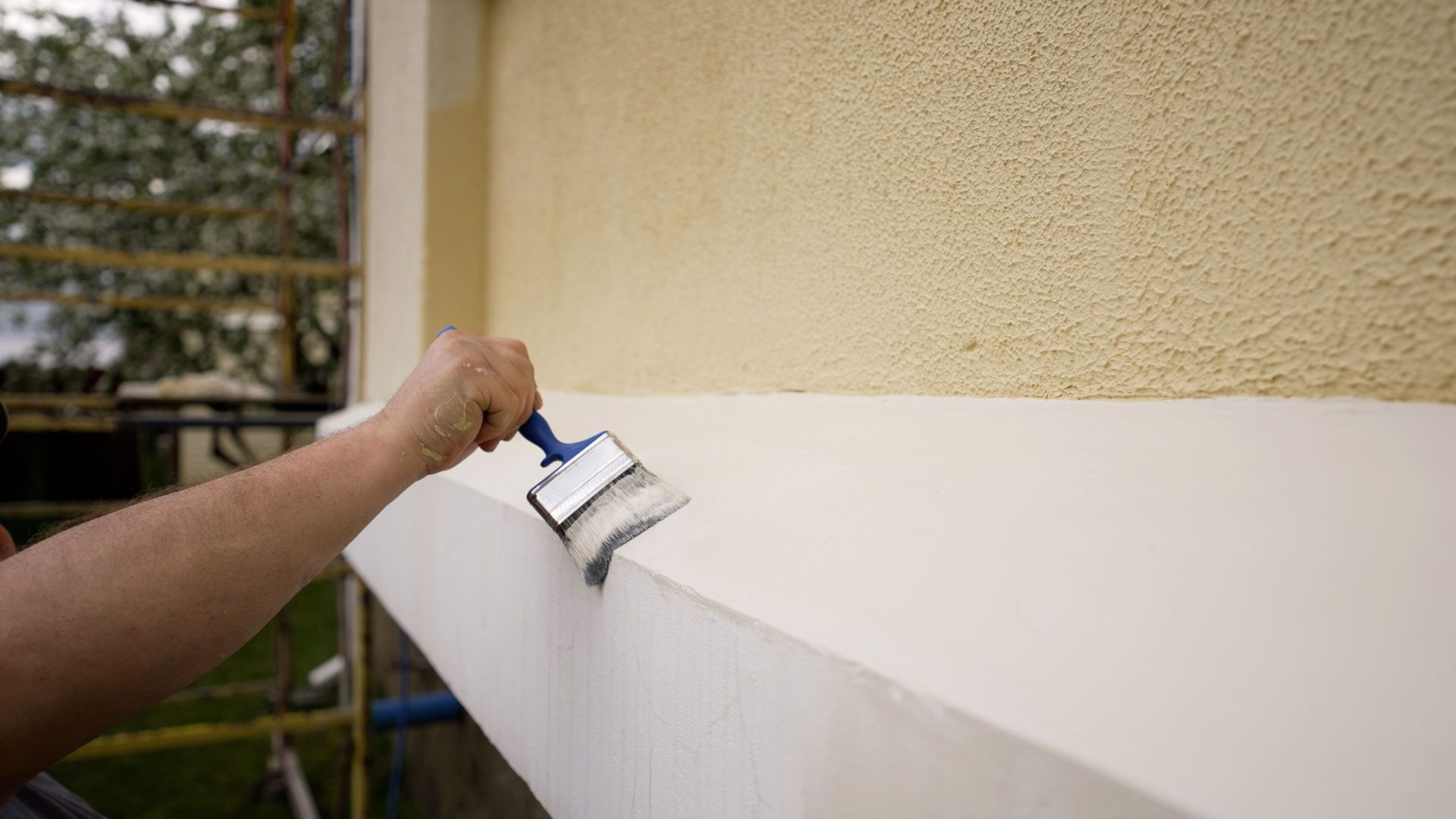
How much does exterior house painting cost in Denver in 2026? Average ranges, what drives price, and how to get an accurate estimate. Local painting company since 1981.
July 29, 2026
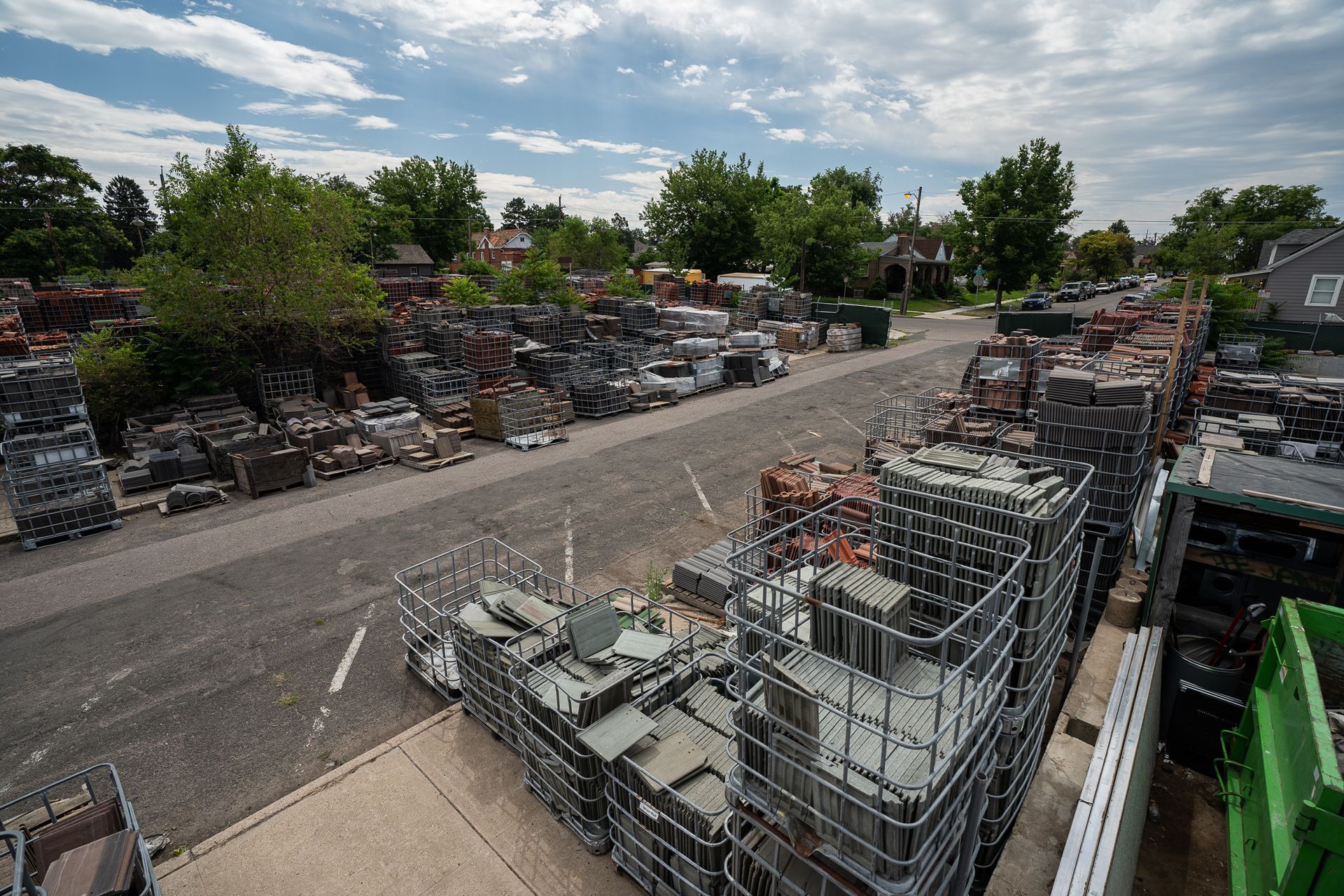
Colorado homeowners and contractors are increasingly looking for responsible ways to handle roofing materials at the end of their service life. Denver is now introducing new requirements that will make recycling and reuse part of the permitting process for many construction and demolition projects. Beginning September 1, 2026, the City and County of Denver will require many qualifying projects to divert at least 50% of construction and demolition debris by weight and recycle or reuse at least three covered material categories. These rules apply only within the City and County of Denver. What the New Denver Rules Mean for Roofing Projects For qualifying roofing projects, contractors may need to submit a waste-diversion plan before the permit is issued. The plan must estimate the total debris weight, identify materials intended for recycling or reuse, list the destination and transportation method, and estimate the project’s diversion rate. After final inspection, the contractor generally has 60 days to provide supporting documentation such as weight tickets, donation receipts, photographs, or written records showing where reusable materials were taken. The rules do not require every roofing material to be recycled, and they do not prohibit landfill disposal. However, material sent to a landfill counts against the required diversion percentage. Contractors may apply for modified requirements when full compliance is impractical. What About Asphalt Shingles? Asphalt shingles remain one of the most difficult roofing products to recycle in Colorado because the state lacks a convenient, widespread processing network. The Denver rules also do not specifically identify asphalt roofing shingles as a covered material. In most cases, removed asphalt shingles will continue to be disposed of unless a recycler specifically agrees to accept them. Clay and Concrete Roofing Tile Can Often Be Reused Clay and concrete roofing tiles are different from many other roofing products because intact tiles can retain value after removal. Usable tiles may be sorted, stored, and reused for repairs, restoration work, additions, or matching discontinued profiles and colors. Formula Roofing & Remodeling, doing business as Custom Tile Roofing, accepts used clay and concrete roofing tiles in many circumstances. Homeowners and contractors who need a facility for surplus or removed tile should contact us before disposal so we can review the tile type, profile, quantity, condition, and project location. Assistance for Contractors For contractors with larger quantities of salvageable clay or concrete tile, we can often provide large metal collection crates, coordinate placement at the project, and arrange transportation off-site at no charge. Availability depends on the material, quantity, condition, project location, site access, timing, and desirability. Contractors should provide photographs, the project address, estimated quantity, manufacturer or profile if known, and the anticipated tear-off date. A Better Option for Homeowners Replacing a Tile Roof If you are a homeowner considering replacement of a clay or concrete tile roof, Formula Roofing can manage the complete project, including removal of the existing roof and installation of the new roofing product you select. When the existing tile has salvage value, Formula may offer project-specific credits or discounts based on the type, condition, quantity, rarity, and demand for the material. Hiring Formula allows the removal, salvage evaluation, transportation, and new roof installation to be coordinated as one project. This can reduce unnecessary disposal while giving the homeowner access to experienced clay and concrete tile roofing specialists and a wide range of replacement options. Being Green Has Always Been Part of Our Business Philosophy Long before Denver adopted formal construction-waste diversion rules, salvaging and reusing tile was part of the way Formula Roofing and Custom Tile Roofing operated. Preserving discontinued and hard-to-find roofing tile keeps usable material out of landfills and helps property owners complete accurate repairs and restorations. The new Denver requirements reinforce a practice we have supported for years: roofing materials should not automatically be treated as waste when they still have practical value. Contact Formula Roofing / Custom Tile Roofing Homeowners and contractors with used clay or concrete roofing tile should contact us before removing or disposing of the material. We can help determine whether the tile may be accepted, whether collection crates and transportation are available, and whether salvage credits or project discounts may apply.  Call 303-600-8696 or email info@formularoofing.com / customtileroofing@gmail.com for details. Acceptance is not guaranteed and is subject to advance review of the tile, quantity, condition, project location, access, timing, and current storage needs. Denver permitting and waste-diversion requirements may vary by project.