How Commercial Property Owners Should Prepare Their Roof Before Hail Season: A Guide From a Commercial Roofing Contractor
As a trusted commercial roofing contractor in Denver, CO, Formula Roofing & Remodeling has seen the aftermath of countless hailstorms. For property owners, the difference between a quick insurance claim and a catastrophic business interruption often comes down to preparation completed weeks or months before the first stone falls. Denver’s hail season is not a matter of if, but when. This guide walks you through exactly how to safeguard your commercial roof, protect your bottom line, and respond correctly after a storm. Because when hail hits, being proactive is always cheaper than being reactive.
Why Commercial Roofs Are More Vulnerable to Hail Than Residential
Many property owners assume a commercial roof is tougher simply because it is larger. The opposite is often true. Most commercial buildings have flat or low-slope roofs made from materials like single-ply membranes (TPO, PVC, EPDM), built-up roofing (BUR), or modified bitumen. These systems are thinner and more susceptible to punctures, scouring, and seam failures than the steep-slope asphalt shingles found on most homes.
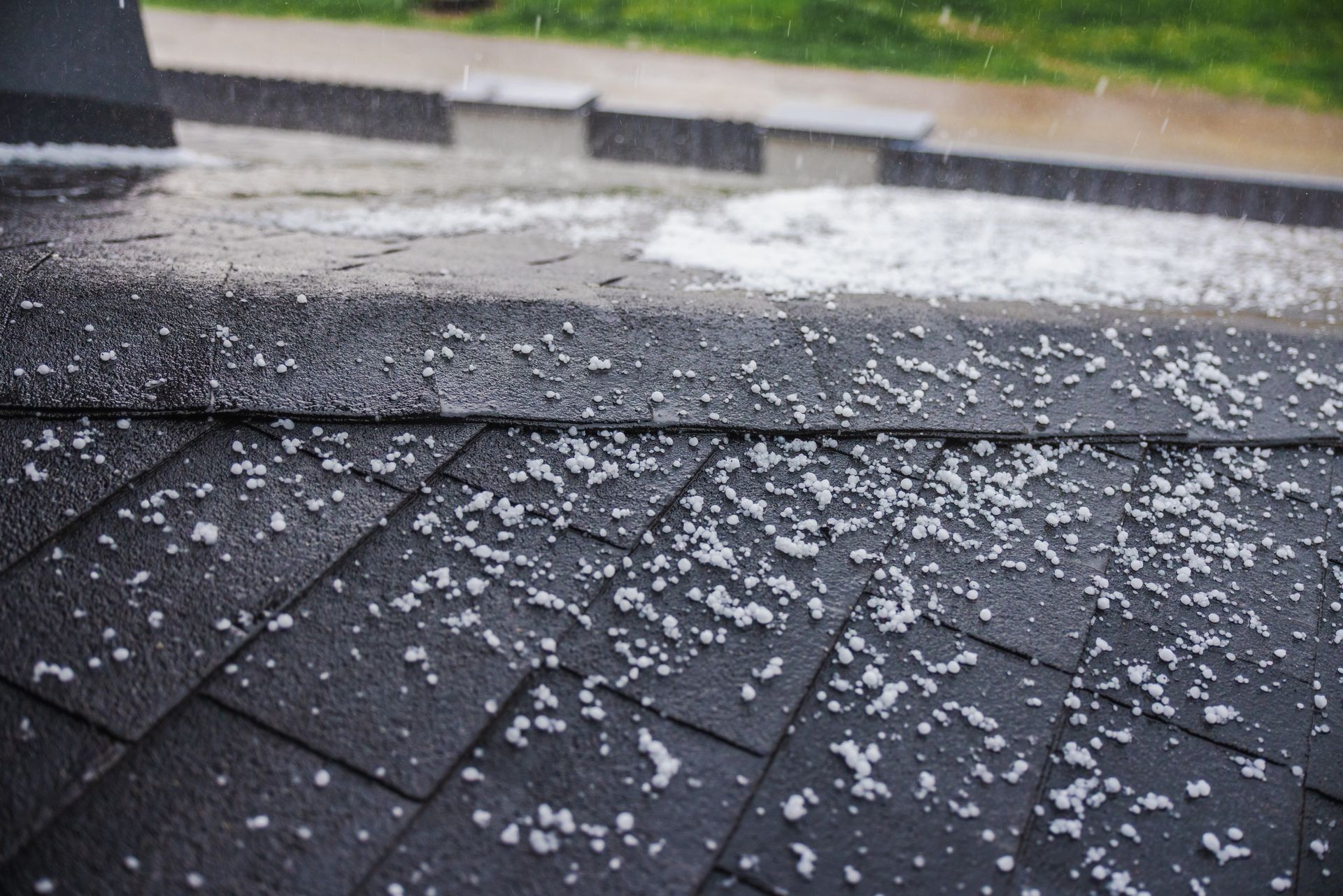
Hailstones as small as one inch in diameter can cause invisible damage to membrane roofs. Micro-tears allow water to seep into insulation and decking. Over time, that hidden moisture leads to rot, mold, and structural weakening. A residential roof might show obvious granule loss, but a commercial roof often hides its wounds. That is why hiring a qualified roofing contractor for a professional inspection is not optional. It is a financial necessity.
Denver's Hail Season Timeline and Recent History
Denver’s primary hail season runs from mid-April through September, with the highest frequency of severe storms occurring in May and June. According to the National Oceanic and Atmospheric Administration (NOAA), Colorado’s Front Range is part of the infamous “Hail Alley,” and Denver consistently ranks among the top U.S. cities for hail-related insurance claims.
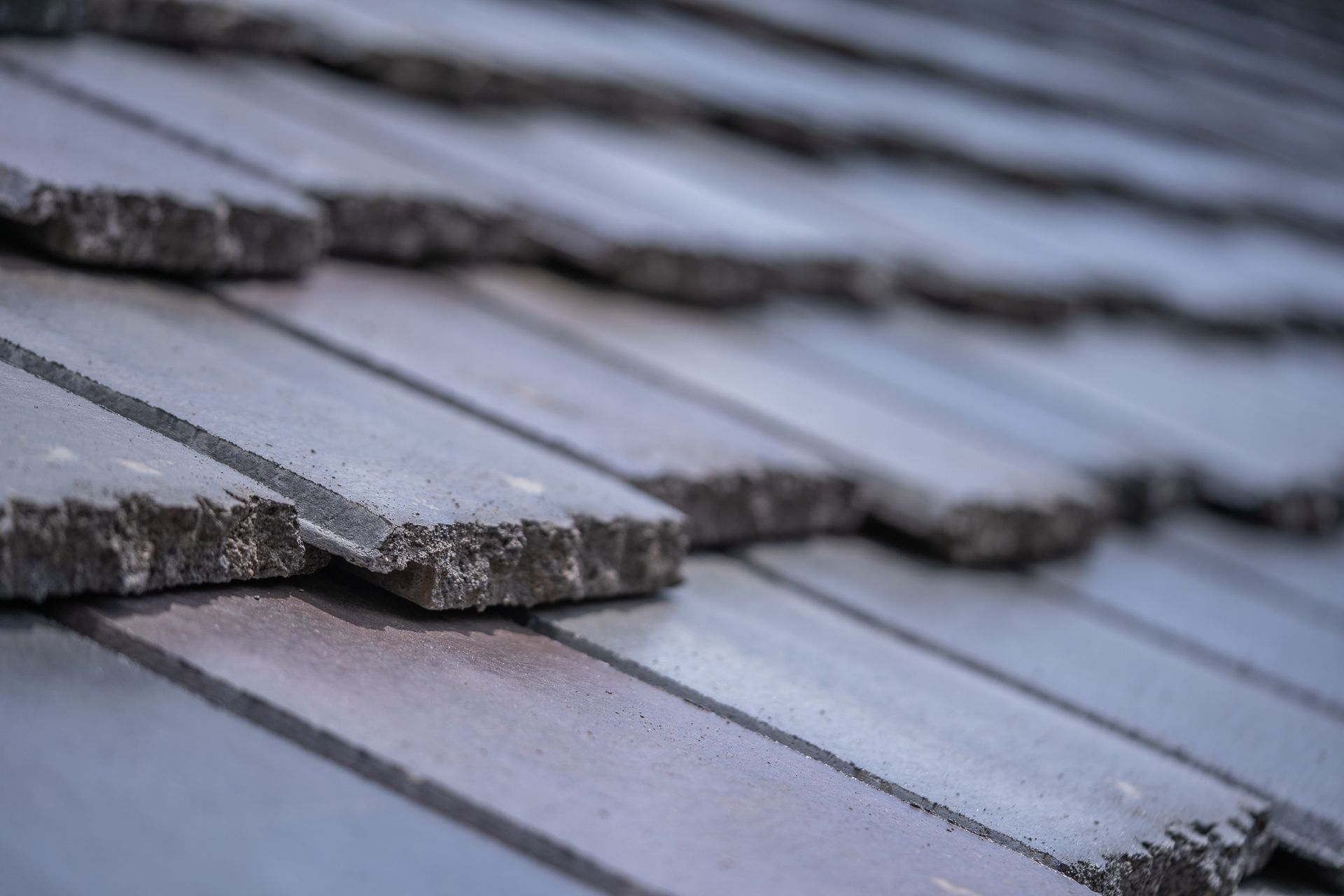
Recent history offers sobering lessons. In 2023, a single storm dumped softball-sized hail across parts of the Denver metro area, causing over $1 billion in insured losses. Commercial properties in Aurora, Lakewood, and downtown Denver saw HVAC units destroyed, roof membranes shredded, and interior flooding. Many property owners who thought their roofs were “probably fine” ended up facing six-figure repairs and weeks of lost tenant revenue. A proactive commercial roofing contractor could have documented pre-storm conditions, allowing those owners to claim full replacement costs rather than partial repairs.
The Pre-Season Inspection Checklist
Before hail season arrives, every commercial property owner should complete this checklist with the help of a skilled roofing specialist:
- Roof Drainage: Clear all drains, scuppers, and gutters. Standing water doubles the risk of membrane deterioration.
- Membrane Condition: Look for cracks, bubbles, shrinkage, or wrinkling. Even small flaws become failure points under impact.
- Seams and Flashing: Inspect all seam adhesions, weld integrity, and metal flashing around penetrations. Lifted seams are open invitations for moisture.
- Perimeter Edge Metal: Ensure copings and edge metal are tightly fastened. Loose edges can peel back like a can lid during high winds accompanying hail.
- HVAC and Rooftop Equipment: Check all curb mounts, gaskets, and seals. Hail frequently damages exposed equipment, leading to refrigerant loss and interior leaks.
- Roof Coating Condition: If your roof has a reflective or elastomeric coating, look for chalking, peeling, or erosion. A healthy coating absorbs impact and reseals minor punctures.
A local roofing firm will also use infrared scanning to detect wet insulation hidden beneath the surface. Do not skip this step. Moisture hidden in June will rot your deck by October.
How to Document Current Roof Condition
Documentation is your superpower when filing insurance claims after a hailstorm. Without baseline evidence, adjusters can argue that pre-existing damage caused your leak.
Follow these steps before storm season:
- Take Dated Photos: Capture wide shots of every roof section, plus close-ups of seams, flashings, drains, and equipment. Include a timestamp or a newspaper in the frame to prove the date.
- Create a Roof Sketch: Map out all rooftop areas, noting the location of each penetration (vent, pipe, skylight, unit).
- Save Previous Inspection Reports: Any report from an expert service provider from the last 12 months serves as powerful documented proof.
- Note Existing Repairs: If your roof has patches or coatings, photograph them and note their age. This prevents an adjuster from mistaking old work for new damage.
Share documentation with your property manager, insurance agent, and your preferred commercial roofing contractor. When the next storm hits, you will be ready to prove exactly what changed.
What to Do in the 48 Hours After a Hail Event
The moment a hailstorm passes, your actions determine whether you get a full roof replacement or a denied claim.
Follow this timeline precisely:
· First 6 Hours: Do not walk on the roof. Debris and unseen punctures make it unsafe. Instead, visually inspect from ground level and from interior spaces. Look for ceiling stains, water drips, or sudden HVAC failures. Move any inventory or sensitive equipment away from suspect areas.
· Within 24 Hours: Call an experienced commercial roof expert like Formula Roofing & Remodeling for an emergency assessment. A professional will safely access the roof, document all impact damage with high-resolution photos, and deploy temporary tarps or emergency patches if needed. Do not attempt temporary repairs yourself. Incorrect tarping can trap moisture and void your warranty.
· Within 48 Hours: Notify your insurance carrier and provide the roofing professional’s preliminary report. Request a claims adjuster visit. Having a qualified roof specialist onsite during the adjuster’s inspection is critical. They can point out hidden membrane punctures, seam failures, and insulation compaction that an adjuster might miss. A skilled specialist will also provide a line-item estimate matching industry standards, preventing the adjuster from undervaluing your claim.
Remember: most insurance policies require you to mitigate further damage. That means you cannot simply wait. Acting within 48 hours with a commercial roofing contractor is both a financial and contractual obligation.
Why Choose Formula Roofing & Remodeling for Your Commercial Roof
You need a partner who understands Denver’s unique hail risks, insurance processes, and commercial roofing systems. Formula Roofing & Remodeling is a trusted commercial roofing contractor serving Denver property owners. We do not just repair roofs. We help you document, prepare, and advocate. Our commercial roofing services include full inspections, preventative maintenance, emergency tarping, insurance claim assistance, and complete replacements using the industry’s most durable systems.
Check our Google Profile to read real reviews from Denver commercial property owners who avoided major losses because they prepared early. Their stories prove that a small investment in a pre-season inspection pays for itself many times over.
Contact Us Today Before the Next Storm
Do not wait for the first warning of a severe thunderstorm. By then, every reputable commercial roofing contractor in Denver will be booked solid for weeks. Right now, before hail season peaks, is the time to act. Whether you need a simple inspection, complete roof documentation, or a maintenance plan tailored to your building, Formula Roofing & Remodeling is ready to help. Contact us today and let us help you face hail season with confidence.