Why Some Roofs Fail in 12 Years and Others Last 30
A 30 year shingle does not automatically deliver 30 years of performance. In the Front Range and across the state, it is common to see one roof deteriorate in 12 to 15 years while the home next door looks solid after three decades.
The difference is rarely the brand name on the wrapper. It comes down to installation quality, sun exposure, ventilation, and maintenance.
Installation: The Quiet Make or Break Factor
A roof can look great from the street and still be compromised from day one.
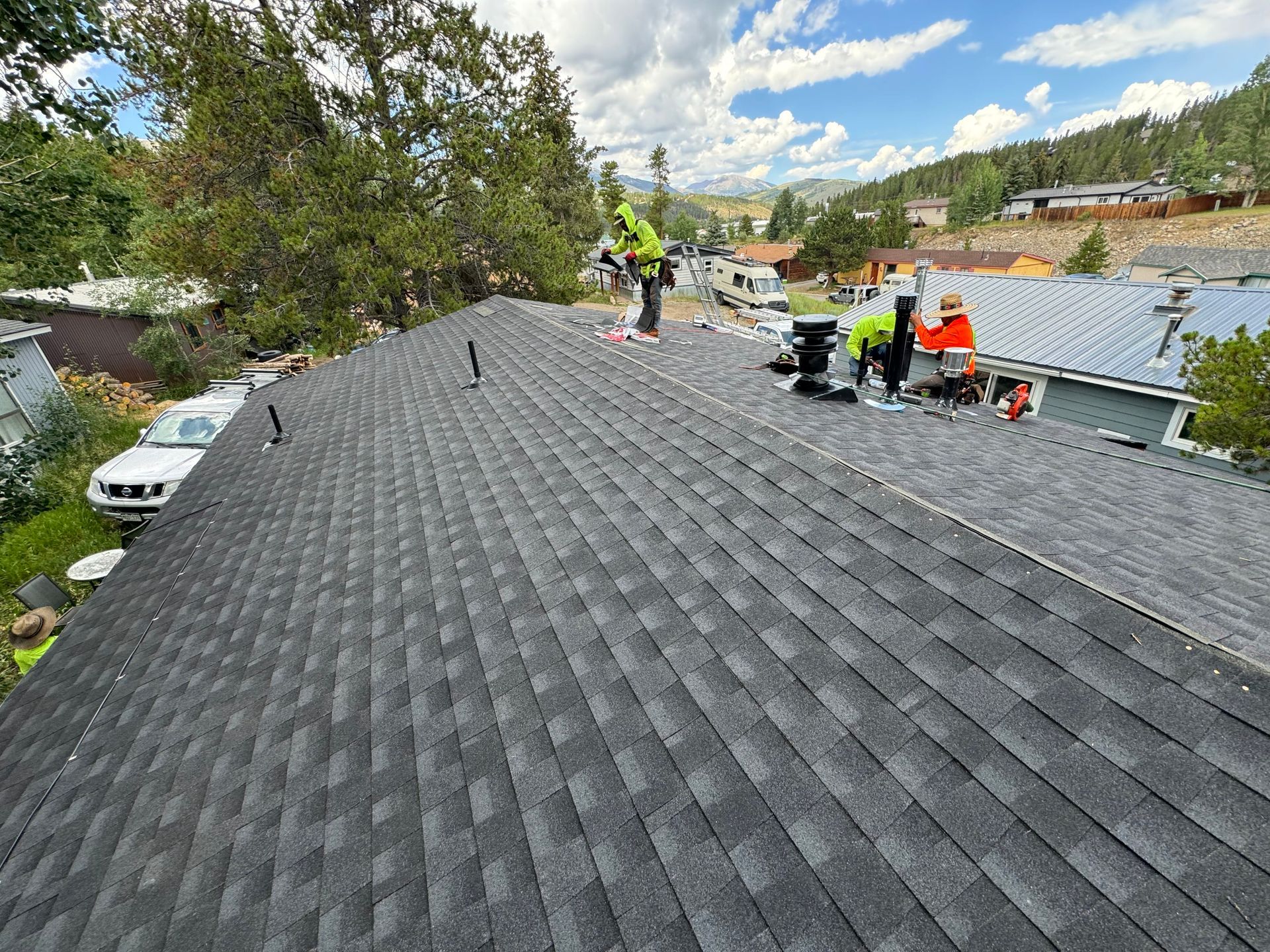
Common early failure issues include:
• Improper nailing patterns
• Nails driven too high or too deep
• Poorly sealed valleys
• Incorrect flashing at chimneys and walls
• Inadequate underlayment
• Shingles installed over soft or rotted decking
When fasteners are misplaced, shingles are more vulnerable to wind lift. When flashings are poorly detailed, slow leaks develop around penetrations. These are not dramatic failures. They are gradual, and gradual problems shorten life expectancy.
A properly installed system distributes load, seals correctly, and allows components to move and expand with temperature swings. That foundation determines whether the roof ages evenly or begins to break down early.
South Facing Slopes Take a Beating
Sun exposure matters more than most homeowners realize.
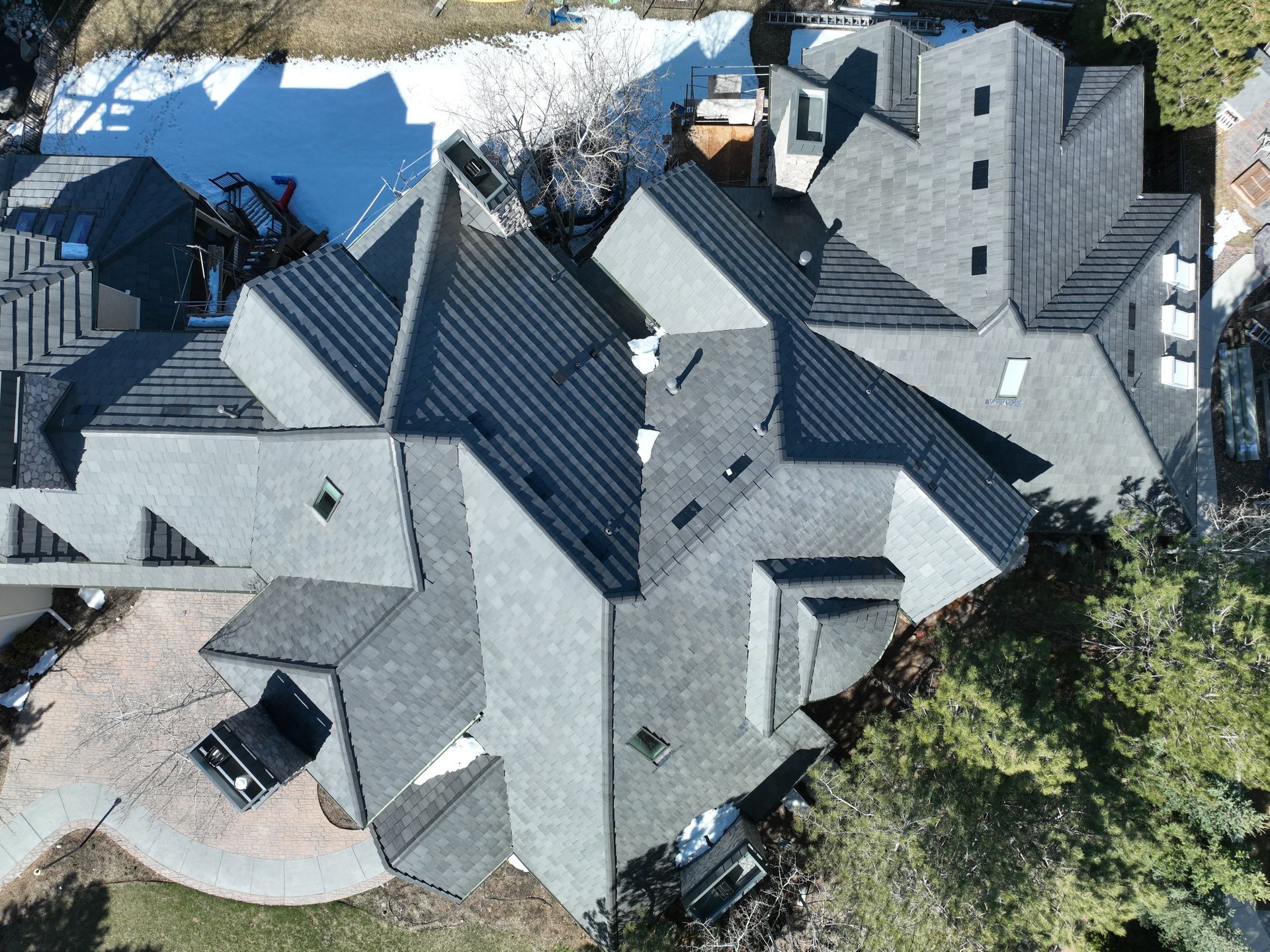
South and west facing slopes receive the most UV intensity. Over time, ultraviolet exposure dries out asphalt shingles, accelerates granule loss, and increases thermal expansion cycles.
It is common to see one side of a home look significantly more worn than the other. That is not a mystery. It is physics.
On homes with high sun exposure and little shade, the aging curve is steeper. Without periodic inspection and minor sealing, small vulnerabilities expand faster on these slopes.
Ventilation: The System Behind the System
Ventilation is often overlooked because it is not visible from the curb.
A roofing system is not just shingles. It includes intake vents, exhaust vents, and proper airflow across the underside of the decking.
When ventilation is inadequate:
• Heat builds up in the attic
• Shingles bake from below
• Moisture accumulates in colder months
• Decking can warp or deteriorate
Excess attic heat can shorten shingle life dramatically. Moisture buildup can lead to mold, insulation damage, and structural compromise. Even a premium shingle cannot overcome poor airflow.
Balanced intake and exhaust ventilation stabilizes temperatures and allows the system to age more predictably.
Maintenance: The Missing Piece
The idea that a roof is maintenance free is one of the most expensive misconceptions in homeownership.
Small issues compound over time:
• Flashings dry out and separate
• Sealant cracks
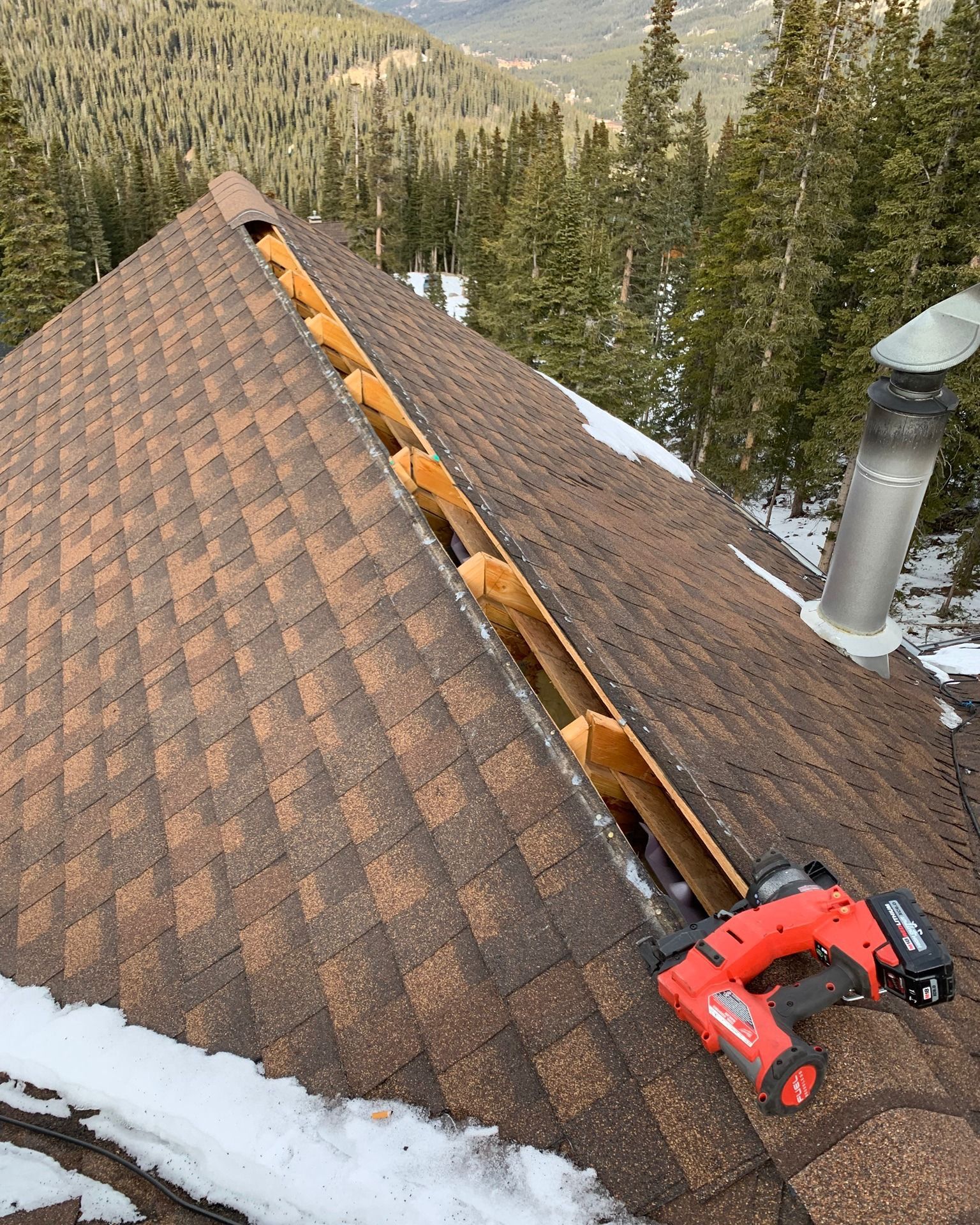
• Exposed nail heads back out
• Debris traps moisture
• Gutters clog and push water back toward fascia
Left unchecked, minor issues become leaks. Leaks become decking damage. Decking damage becomes premature replacement.
This is where longevity is either protected or lost.
Extending the Life of Your Roofing System
If the goal is 25 to 30 years instead of 12 to 15, annual inspection and minor corrective work makes sense.
That is why we have an Annual Maintenance Program designed to extend system performance and provide documentation homeowners can actually use.
First Visit – Complimentary (a $175 value)
Includes:
· Full inspection
· Photo report of current conditions
· Documentation useful for resale and insurance records
· Minor repairs such as resealing flashings and exposed nail heads
The photo report is especially valuable when budgeting for larger exterior projects or when an insurance question arises. It provides a baseline condition record.
Ongoing Annual Visit – $175
· Inspection
· Updated photo documentation
· Minor maintenance corrections
Optional Gutter Cleaning – Add $100
Clean gutters reduce water backup, fascia deterioration, and ice related issues.
A Roof Is Not a Product. It Is a Managed Asset.
Most roofing systems do not fail because they were destined to. They fail because no one was paying attention.
Installation quality sets the starting line. Sun exposure and ventilation shape the aging process. Maintenance determines whether small issues stay small.
If your roof is five, ten, or even fifteen years old, that does not mean you are halfway to replacement. It means you are at a decision point.
You can ignore it and hope it lasts.
Or you can document it, maintain it, and manage it intentionally.
When homeowners shift their mindset from replacement to preservation, longevity improves. Budgeting becomes easier. Insurance conversations become clearer. Real estate transactions become smoother, and surprises become rare.
Twelve years or thirty is rarely an accident.
It is usually the result of oversight, or the lack of it.